Cold Basement? How to Find the Cause Despite Insulation

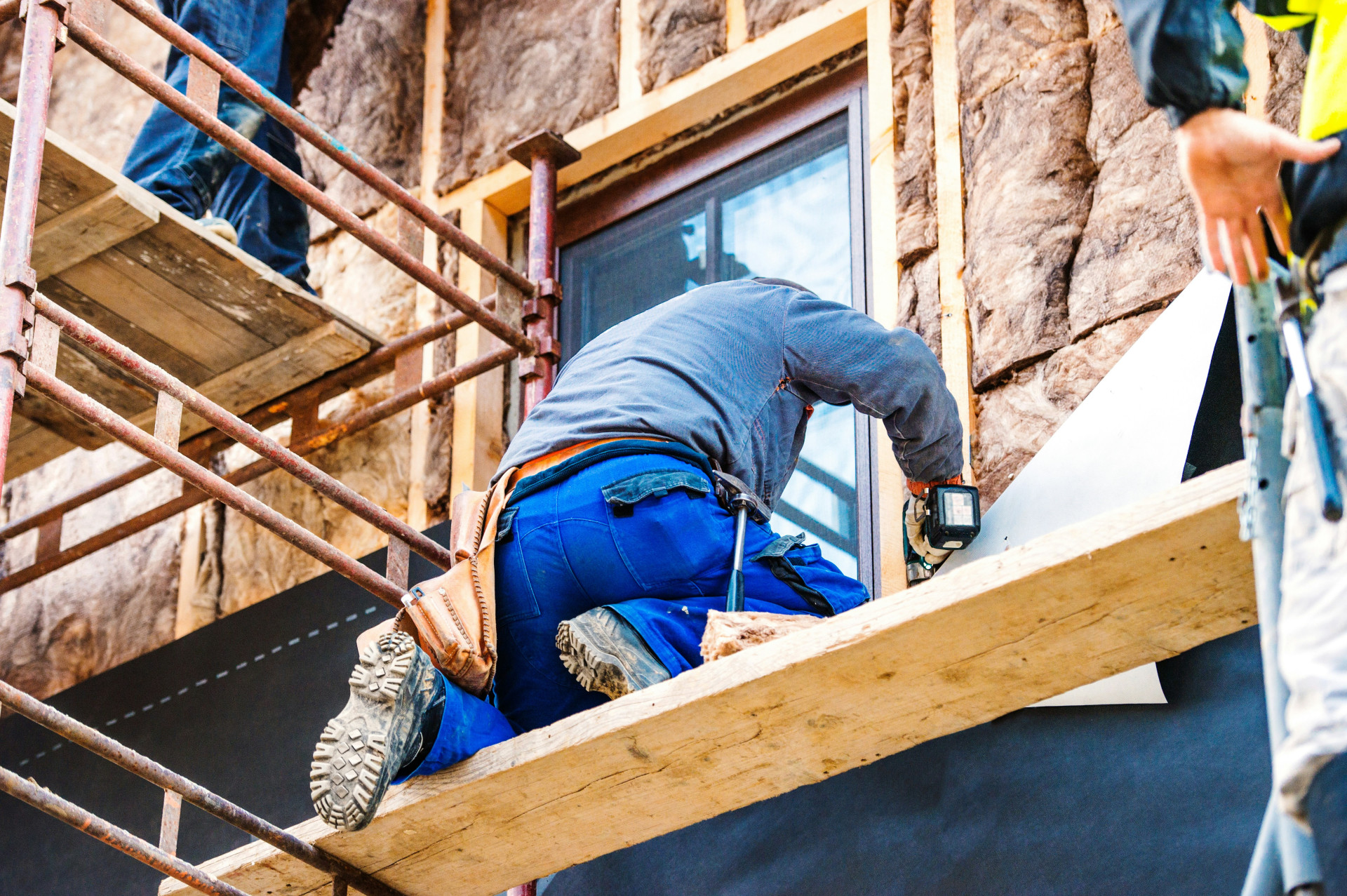
Cold Basement? How to Find the Cause Despite Insulation
Even with proper insulation, a basement can still feel cold and damp—especially during winter. Many homeowners wonder why the temperature stays low even after insulating the walls and ceiling. The reason often lies in hidden issues such as moisture, air leaks, or thermal bridges. Here’s a guide to help you identify what’s really going on—and how to fix it.
Start by Measuring and Observing
Before you start any major renovations, take time to understand how the cold behaves in your basement. Use a thermometer and a hygrometer to measure temperature and humidity in different areas. Note variations between walls, floors, and ceilings, as well as between day and night.
If the walls feel cold but the air temperature seems fine, you may be dealing with thermal bridges. If the air feels damp and heavy, poor ventilation or moisture intrusion could be the culprit.
Check for Air Leaks and Thermal Bridges
Thermal bridges occur where heat escapes through materials that conduct cold more easily—typically around joints, windows, doors, or the foundation. Even small gaps can cause noticeable temperature differences.
- Look for dark spots or condensation on walls and around windows—these can indicate cold spots.
- Use an infrared thermometer to detect temperature variations.
- Inspect weatherstripping around windows and doors—rubber seals can dry out or crack over time.
If you find problem areas, you can often fix them with additional insulation, caulking, or by replacing worn weatherstripping.
Læs også:

Investigate Moisture and Ventilation
A damp basement always feels colder. Moisture holds onto cool air and can make the space uncomfortable even at moderate temperatures.
Check for signs of moisture: musty odors, dark stains, or peeling paint. Make sure your basement has adequate ventilation—either through vents or a mechanical system.
A simple approach is to air out the basement briefly a few times a day to exchange the air. Avoid doing this when outdoor humidity is high, such as during rain or fog.
Don’t Forget the Floor
Even with insulated walls and ceilings, cold can seep up from the basement floor. Many older homes have only a thin concrete slab with little or no insulation underneath, allowing the ground to act as a constant cold source.
If you notice cold feet or drafts near the floor, consider adding an insulating layer on top—such as insulated subfloor panels or a floating floor system with a vapor barrier. Just make sure moisture levels are under control first, so you don’t trap dampness beneath the new flooring.
Evaluate the Condition of Your Insulation
Even newer insulation can lose effectiveness if it’s damp or poorly installed. If possible, check behind wall panels or take a small sample to see if the insulation is dry and intact.
In some cases, you may need to add interior insulation using moisture-tolerant materials like rigid foam boards or mineral wool. Always choose materials suited to below-grade conditions to avoid trapping moisture or causing mold growth.
Consider the Heat Source
Even the best-insulated basement will feel cold if there’s no heat source. Many basements rely on minimal heating, which may not be enough to maintain a comfortable temperature.
Adding a small electric heater, extending your HVAC ducts, or installing radiant floor heating can make a big difference—especially if you use the basement as a living space. Just remember that heating without proper ventilation can increase humidity, so balance is key.
Get Professional Help if Needed
If you’ve tried everything and the basement still feels cold, it may be time to call in a professional. A home energy auditor or building inspector can perform thermal imaging and moisture tests to uncover hidden issues you can’t see.
A professional assessment can save you time, money, and frustration—and help you choose the right solution the first time.
A Warm, Dry Basement Is Possible
A basement doesn’t have to be cold just because it’s below ground. With the right combination of insulation, ventilation, and moisture control, you can create a space that’s both comfortable and healthy.
It’s not just about comfort—it’s also about protecting your home from moisture damage and energy loss. Once you identify the cause of the cold, the path to a warm basement is much shorter than you might think.
Læs også: