The Importance of the Vapor Barrier for a Building’s Lifespan

The Importance of the Vapor Barrier for a Building’s Lifespan
When constructing or renovating a home, countless layers and materials work together to create a comfortable, durable, and energy-efficient living environment. One of the most critical—but often overlooked—components is the vapor barrier. This thin membrane, typically installed on the warm side of the insulation, plays a vital role in protecting the building from moisture damage and mold growth. But what exactly does it do, and why is it so important for the long-term health of your home?
What Is a Vapor Barrier—and What Does It Do?
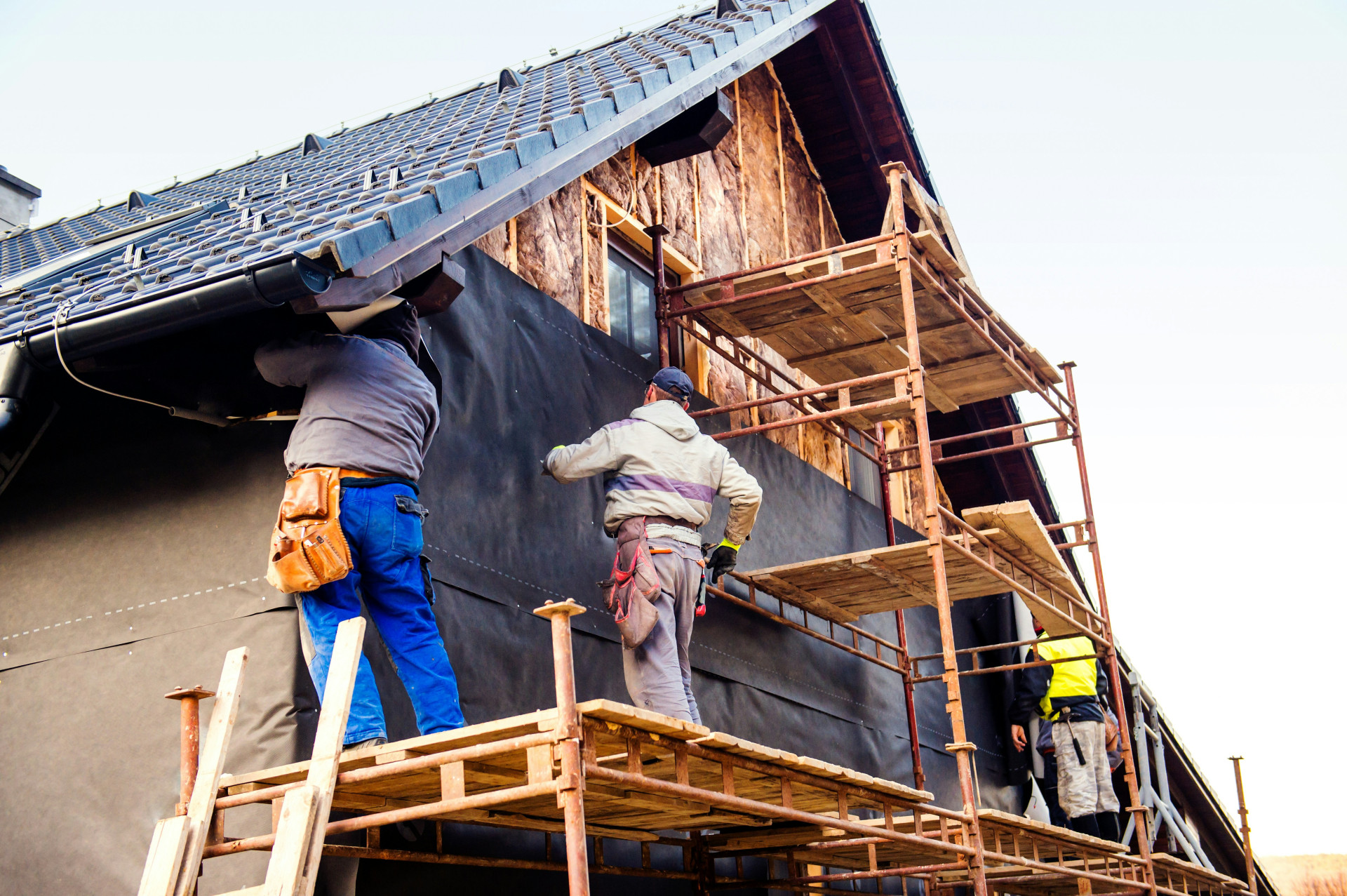
A vapor barrier is a continuous layer, often made of polyethylene or specialized building wrap, designed to prevent moisture from moving through walls, ceilings, and floors. In most U.S. climates, it’s installed on the interior (warm) side of the insulation to stop humid indoor air from reaching colder surfaces within the wall assembly. When warm, moist air meets a cold surface, condensation can form—leading to rot, mold, and structural deterioration over time.
By keeping moisture out of the building envelope, the vapor barrier helps maintain dry insulation and framing materials. This not only preserves the building’s structural integrity but also ensures that insulation performs as intended, keeping energy bills low and indoor comfort high.
Small Mistakes Can Lead to Big Problems
Although a vapor barrier is just a thin layer, its installation must be precise. Even small gaps or punctures can allow moisture-laden air to enter the wall cavity, where it can condense and cause hidden damage that may not become visible for years.
Common installation errors include:
- Unsealed seams between sheets of vapor barrier material.
- Poor sealing around electrical boxes, plumbing, and light fixtures.
- Incorrect placement—for example, on the cold side of the insulation in a heating-dominated climate.
- Damage caused by later construction work that goes unrepaired.
A properly installed vapor barrier requires careful planning and attention to detail. It’s not enough to simply staple up plastic sheeting—every joint must be sealed, every penetration carefully taped, and the entire system inspected before walls and ceilings are closed.
Læs også:

The Relationship Between Vapor Barriers and Ventilation
A tight vapor barrier is only part of the moisture-control equation. Homes also need effective ventilation to remove the humidity generated by everyday activities such as cooking, showering, and even breathing. Without proper ventilation, indoor humidity can build up, leading to condensation on windows and cold surfaces.
Modern American homes often combine a well-sealed building envelope with controlled mechanical ventilation, such as an energy recovery ventilator (ERV) or heat recovery ventilator (HRV). This approach maintains healthy indoor air quality while minimizing energy loss—an essential balance for both comfort and efficiency.
How a Vapor Barrier Extends a Building’s Lifespan
Keeping moisture out of the building structure dramatically increases its durability. Wood framing and insulation that remain dry retain their strength and thermal performance for decades. Conversely, moisture intrusion can quickly lead to rot, corrosion, and costly repairs.
A properly installed vapor barrier:
- Extends the life of structural materials.
- Reduces the risk of mold and mildew.
- Preserves insulation performance.
- Contributes to a stable, healthy indoor environment.
In short, a vapor barrier isn’t just a technical requirement—it’s an investment in the long-term health and value of your home.
New Materials and Smart Solutions
Building science continues to evolve, and so do vapor control materials. Today’s market offers smart vapor retarders that adjust their permeability based on humidity levels. These membranes allow walls to “breathe” when necessary, releasing trapped moisture while still preventing excessive vapor flow. Such systems are particularly useful in mixed or humid climates, where moisture conditions vary throughout the year.
Regardless of the product chosen, the same principle applies: airtightness and correct installation are key to success.
Ensuring a Durable Solution
If you’re planning a renovation or new construction project, consider these steps:
- Plan the vapor barrier’s location early in the design process.
- Use approved materials and follow manufacturer guidelines.
- Hire experienced professionals familiar with moisture control and air sealing.
- Inspect the work before closing up walls—blower door tests or infrared scans can help verify performance.
A small investment in quality materials and workmanship can prevent major problems and expenses down the road.
The Invisible but Essential Protector
The vapor barrier may be hidden behind drywall and insulation, but its role is anything but minor. It quietly protects your home from moisture damage, ensures a healthy indoor environment, and significantly extends the building’s lifespan. When installed correctly, it works silently year after year—an invisible yet indispensable guardian of your home’s durability and comfort.
Læs også: