Maintain Sustainable Insulation Materials and Extend Their Lifespan

Maintain Sustainable Insulation Materials and Extend Their Lifespan
Sustainable insulation materials such as cellulose, hemp, wool, and wood fiber are gaining popularity across the United States for their environmental benefits and healthy indoor performance. These natural materials can last for decades when properly maintained—but they do require a bit more care than conventional fiberglass or foam. Here’s how to keep your eco-friendly insulation performing efficiently for years to come.
Know Your Material
The first step in proper maintenance is understanding what type of insulation you have. Each sustainable material has unique characteristics:
- Cellulose insulation (made from recycled paper) is treated with borate to resist fire, mold, and pests, but it can lose effectiveness if it stays damp for too long.
- Hemp and wool insulation are naturally resistant to mold and pests, but they still need protection from prolonged moisture exposure.
- Wood fiber insulation helps regulate humidity by absorbing and releasing moisture without losing its insulating power.
Knowing your material’s strengths and vulnerabilities helps you prevent problems before they start.
Keep Moisture Under Control
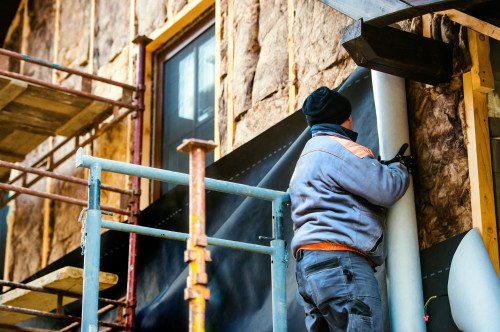
Moisture is the biggest threat to insulation longevity. Even small leaks in your roof, walls, or vapor barrier can lead to damage over time. To protect your insulation:
- Inspect your vapor barrier regularly, especially in attics and exterior walls. Seal any cracks or punctures.
- Ensure proper ventilation in attics, crawl spaces, and wall cavities. Airflow helps materials stay dry.
- Check for signs of moisture such as discoloration, musty odors, or damp spots.
If you find moisture, address the source immediately—repair leaks, improve drainage, and allow the insulation to dry thoroughly. In many cases, early intervention can save the material.
Prevent Pests and Compression
Natural materials can attract rodents or insects if they find a way in. To minimize the risk:
- Seal all openings around pipes, vents, and roof edges.
- Install mesh screens on ventilation openings to keep pests out.
- Keep the area clean—avoid storing food or organic waste near insulated spaces.
Over time, insulation can also settle or compress, especially in attics or wall cavities. This reduces its thermal performance. Check periodically to ensure the insulation still fills the cavity evenly. If it has settled, you can top it up with the same material.
Læs også:
Protect During Renovations
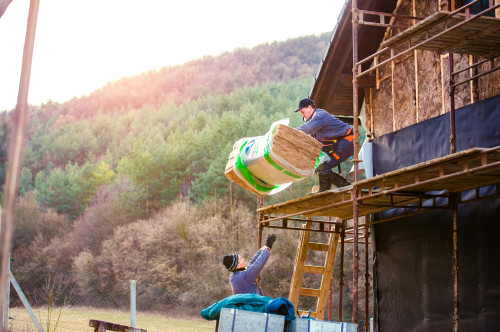
Home improvement projects can easily damage insulation. When remodeling or repairing walls, ceilings, or floors:
- Cover exposed insulation to keep it free from dust and moisture.
- Avoid stepping on loose-fill insulation.
- Handle tools carefully—small tears in vapor barriers can cause big problems later.
If you need to replace sections of insulation, choose the same or a compatible material with similar moisture and vapor properties. This ensures the building system continues to function as designed.
Maintain a Healthy Indoor Environment
Even though insulation is hidden behind walls, it plays a key role in indoor air quality. A healthy indoor climate also helps insulation last longer. Aim for:
- Stable humidity levels—ideally between 40% and 60%.
- Regular ventilation—especially in winter, when indoor moisture from cooking and showers can build up.
- Clean air filters in HVAC systems to reduce dust and particles that can migrate into wall cavities.
A dry, well-ventilated home supports both your insulation and the rest of your building materials.
When It’s Time for Replacement
No insulation lasts forever. If your material has lost its shape, smells musty, or shows signs of decay, it’s time to replace it. The good news is that many sustainable insulation products can be recycled, composted, or safely disposed of with minimal environmental impact.
When replacing insulation, consider upgrading your building envelope—improving moisture protection, sealing air leaks, or increasing insulation thickness. These steps can reduce energy use and extend the life of your new materials.
Long Life Through Careful Maintenance
Maintaining sustainable insulation isn’t about major interventions—it’s about consistent attention. Annual inspections, good ventilation, and quick responses to moisture issues can extend the lifespan of your insulation by decades.
By taking care of your insulation, you’re also taking care of your home—and the planet. That’s sustainability in action.
Læs også: