Shared Insulation Measures in Apartment Buildings – How to Get Financial Support

Shared Insulation Measures in Apartment Buildings – How to Get Financial Support
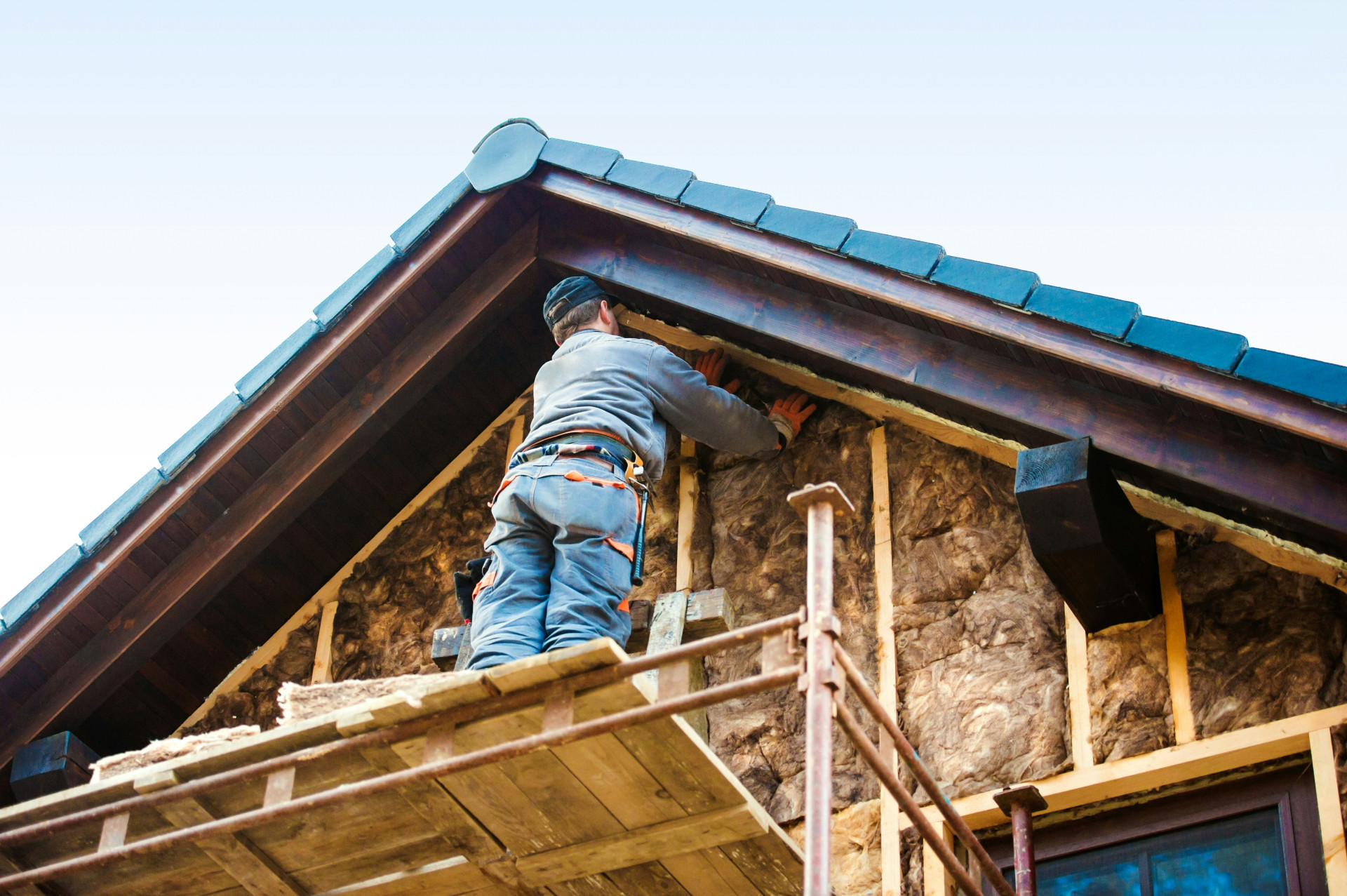
Living in an apartment building often means that energy improvements can’t be done individually. But that’s also where the biggest opportunities lie. By working together, residents can significantly reduce heating and cooling costs, improve comfort, and make the building more sustainable. Shared insulation projects can also qualify for financial incentives that make the investment more affordable. Here’s a guide to how you can organize such a project and find available funding in the United States.
Why Shared Insulation Makes Sense
Many older apartment buildings in the U.S. lose large amounts of energy through roofs, exterior walls, basements, and windows. This not only increases utility bills but also contributes to unnecessary carbon emissions. By approaching insulation as a collective effort, you can:
- Achieve greater energy savings – comprehensive upgrades across the building are more effective than isolated improvements.
- Access financial incentives – many programs favor or require coordinated, professionally managed projects.
- Improve comfort and health – better insulation means fewer drafts, more stable indoor temperatures, and less outside noise.
- Increase property value – energy-efficient buildings are more attractive to buyers and renters alike.
In short, collaboration pays off—both financially and environmentally.
How to Organize the Project
A successful insulation project starts with a shared decision and a clear plan. Here are the key steps:
- Start the conversation within your building association or HOA. Bring up the idea at a board meeting or residents’ gathering.
- Schedule an energy audit. A certified energy auditor can identify where insulation will have the biggest impact—such as the roof, walls, or basement.
- Develop a plan and budget. The auditor can estimate potential savings, payback time, and available incentives.
- Get bids from qualified contractors. Choose companies experienced in multifamily energy retrofits.
- Apply for funding before starting work. Many programs require pre-approval to qualify for rebates or grants.
Once the plan and financing are in place, the work can be done in stages to minimize disruption for residents.
Where to Find Financial Support
Several federal, state, and local programs can help offset the cost of insulation and other energy-efficiency improvements in apartment buildings:
- Federal tax credits and rebates – The Inflation Reduction Act (IRA) expanded incentives for energy-efficient upgrades, including insulation. Property owners may qualify for tax credits or rebates through programs like the Energy Efficient Home Improvement Credit or the High-Efficiency Electric Home Rebate Program.
- State and local energy programs – Many states run their own rebate or grant programs for multifamily buildings. Check with your state’s energy office or local utility.
- Utility company incentives – Electric and gas utilities often offer rebates for insulation projects that reduce energy use.
- Green financing options – Some banks and credit unions provide low-interest “green loans” or Property Assessed Clean Energy (PACE) financing for energy improvements.
Each program has its own eligibility rules, so it’s important to review requirements carefully. Some may require professional energy assessments or proof of projected energy savings.
Documentation and Application Tips
When applying for financial support, you’ll typically need to provide:
- An energy audit or building performance report.
- A description of the planned insulation measures and expected energy savings.
- Contractor estimates or signed proposals.
- Approval from the building’s board or ownership group.
Having your energy auditor or contractor assist with the application can improve your chances of success—they’re often familiar with the paperwork and technical details required.
Læs også:

Combine Insulation with Other Upgrades
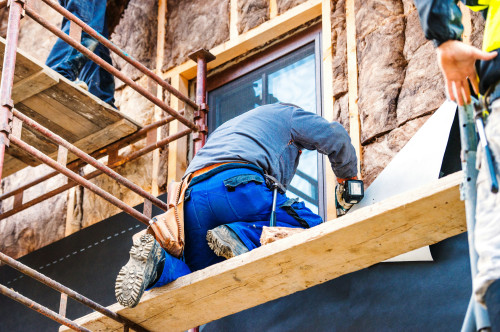
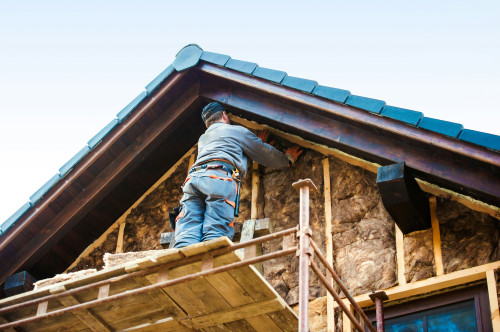
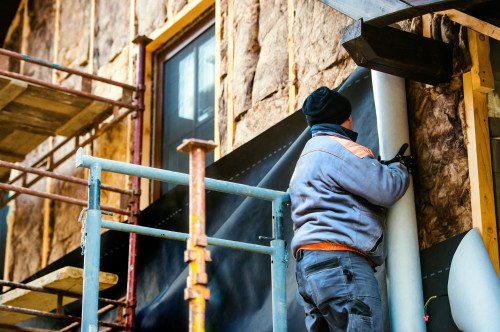
If scaffolding or construction work is already planned, it’s smart to combine insulation with other improvements, such as:
- Replacing windows and doors.
- Repairing or upgrading the roof or façade.
- Installing solar panels or heat pumps.
- Improving ventilation or air sealing.
Bundling projects can maximize energy savings and make the most of available incentives.
Shared Benefits – Now and for the Future
A shared insulation project requires coordination and commitment, but the rewards are substantial. Residents enjoy lower energy bills, a more comfortable living environment, and a property that’s better prepared for the future. At the same time, you’re contributing to a cleaner, more sustainable community—an investment that benefits everyone for years to come.
Læs også: