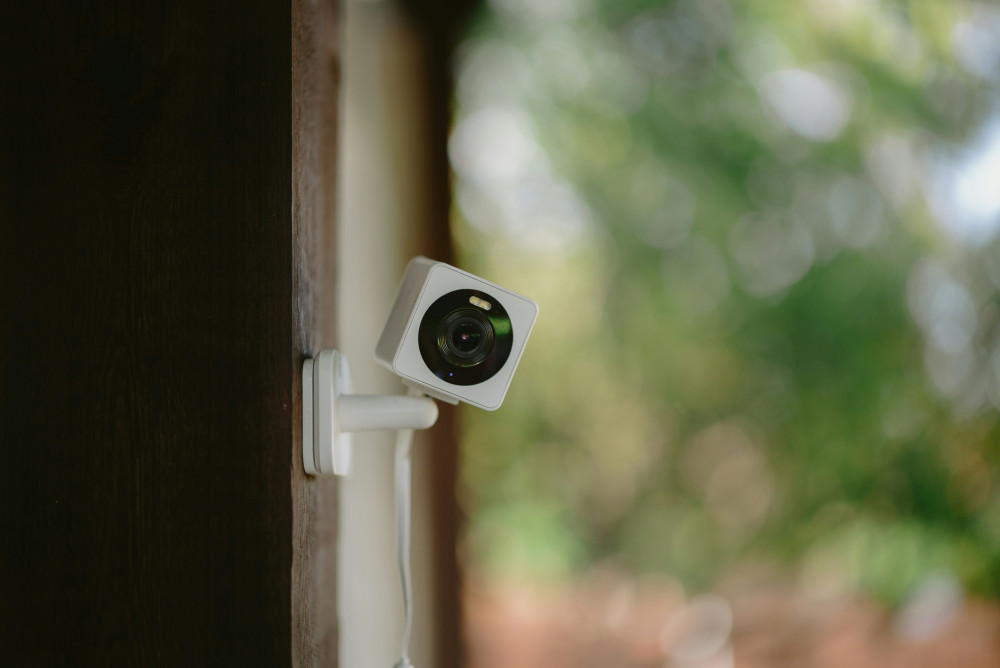
Adjust Your Home Security as Your Family Changes

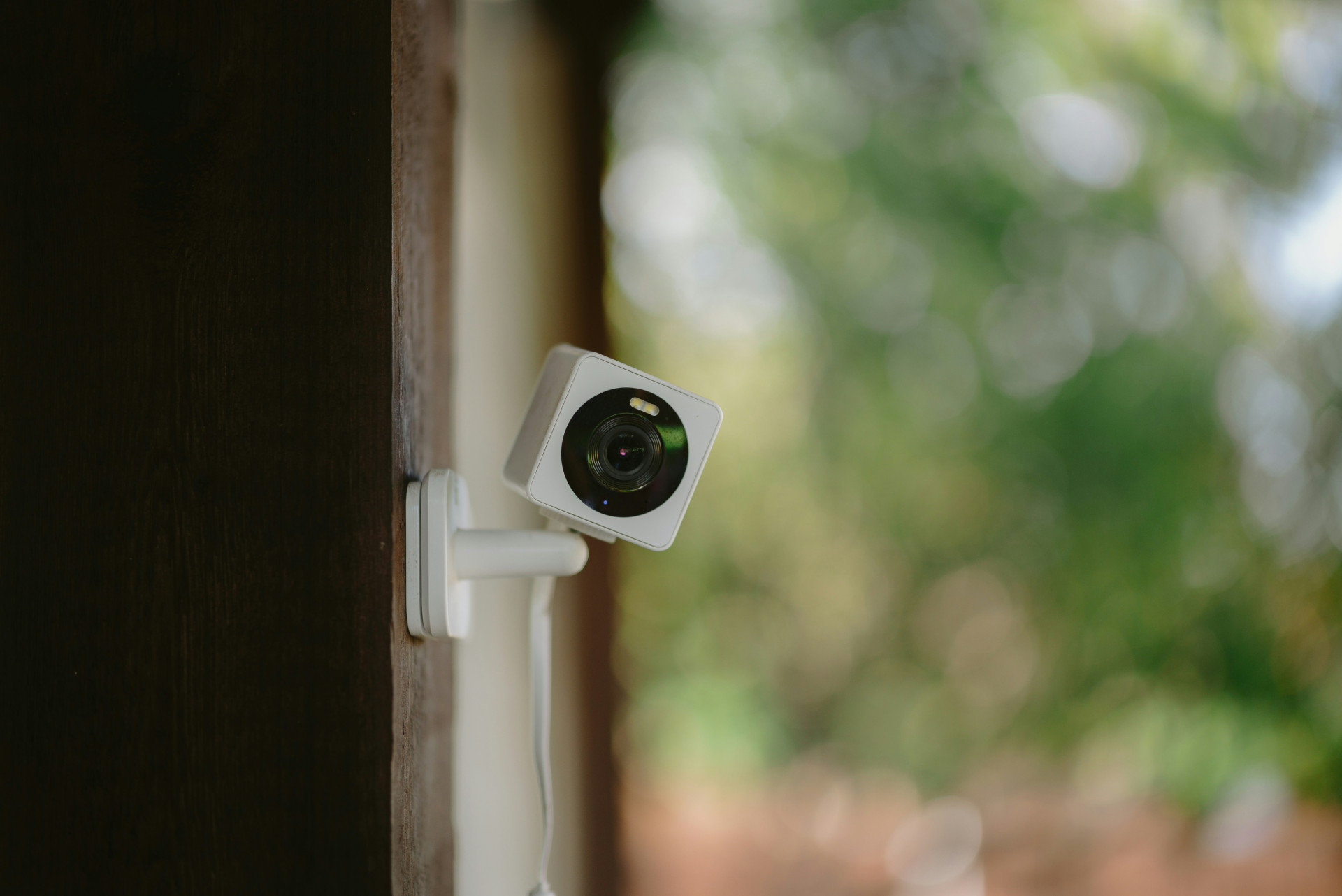
Adjust Your Home Security as Your Family Changes
Family life never stands still. Kids grow up, move out, or maybe a new partner moves in. Sometimes your household expands — other times it becomes smaller. No matter how your family changes, it’s worth asking whether your home security still fits your needs. Here’s a guide to help you adjust your security as life evolves.
When the Kids Get Older
Young children need childproofing — locks on cabinets, window guards, and outlet covers. But as they grow, your security priorities shift. Teenagers come and go on their own, and that brings new challenges.
- Consider smart locks that let you assign temporary codes or app-based access. It’s safer and easier than handing out spare keys that can get lost.
- Talk about safety habits — locking doors, blowing out candles, and checking windows before leaving.
- Think about digital safety — remind teens not to post travel plans or empty-house updates on social media.
As kids gain independence, security becomes as much about awareness and responsibility as it is about locks and alarms.
When the Kids Move Out
When the house gets quieter, your risk profile changes too. With fewer people home during the day, your property may be more vulnerable to break-ins.
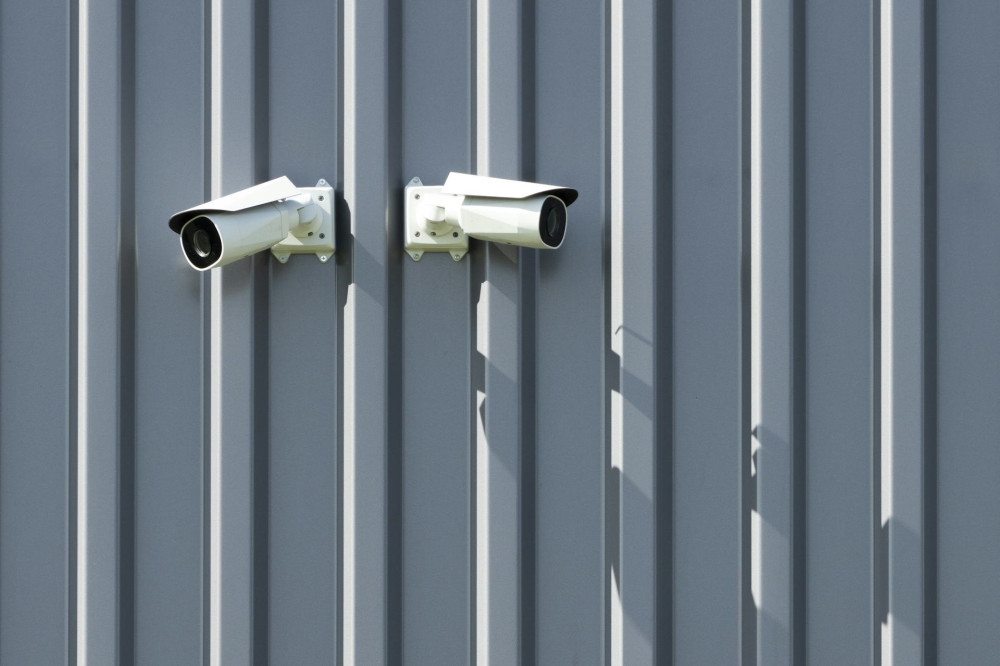
- Check your alarms and sensors — you may have disabled motion detectors in certain rooms when they were in use. Now’s the time to reactivate them.
- Add outdoor lighting with motion sensors to deter unwanted visitors.
- Review your insurance coverage — if you’ve converted a bedroom into an office or gym, make sure your policy reflects those changes.
This is also a good time to tidy up old keys, codes, and access permissions. A fresh start can make your home feel safer and more organized.
When the Family Grows
If a new partner moves in or you welcome a new baby, your security setup should grow with you. More people means more routines — and potential confusion if everyone isn’t on the same page.
- Do a household security walkthrough — make sure everyone knows how the alarm works, where the smoke detectors are, and who has access to what.
- Update your access list — remove old users and add new ones to your security system.
- Revisit child safety — if you’re back to having little ones around, secure cleaning supplies, stairs, and windows.
When your family expands, security is also about comfort — making sure everyone feels safe and confident in their new home environment.
When You’re Living Alone Again
After a divorce, separation, or loss, your home can feel very different — and your security should reflect that change. You may need to update locks, alarm codes, or emergency contacts.
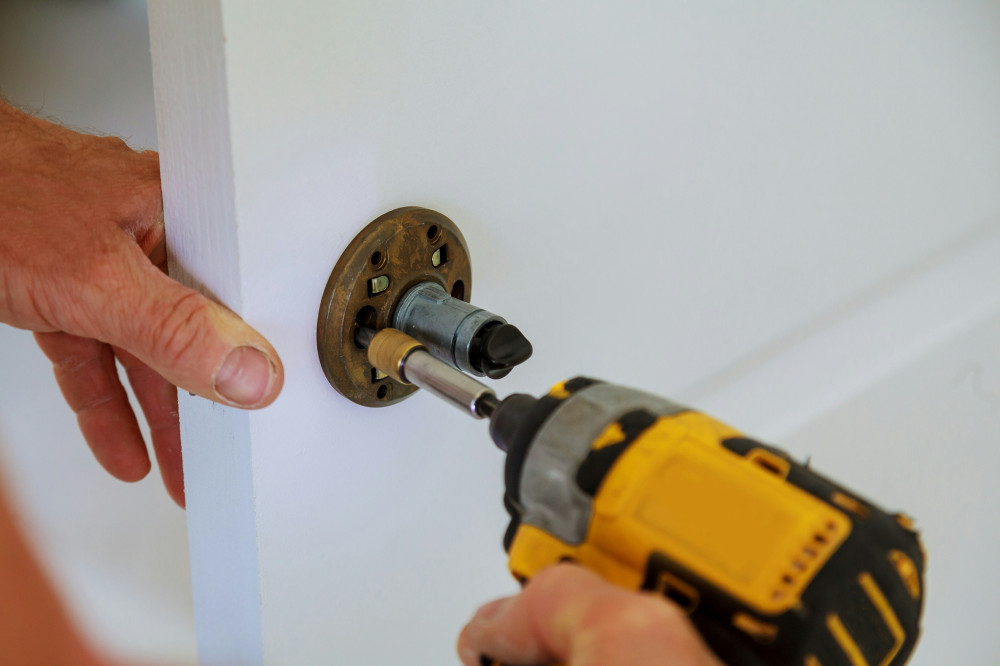
- Change the locks if you’re unsure who still has keys.
- Update your alarm contacts so alerts go to you and a trusted friend or neighbor.
- Create a sense of safety — good lighting at the entryway and a working peephole can make a big difference in how secure you feel.
Living alone doesn’t have to mean feeling unsafe. With a few thoughtful updates, you can make your home both secure and peaceful.
Læs også:

When You Move to a New Place
Whether you’re moving into an apartment, townhouse, or single-family home, start by reviewing security from the ground up. Previous owners or tenants may have had different habits, and older systems might need an upgrade.
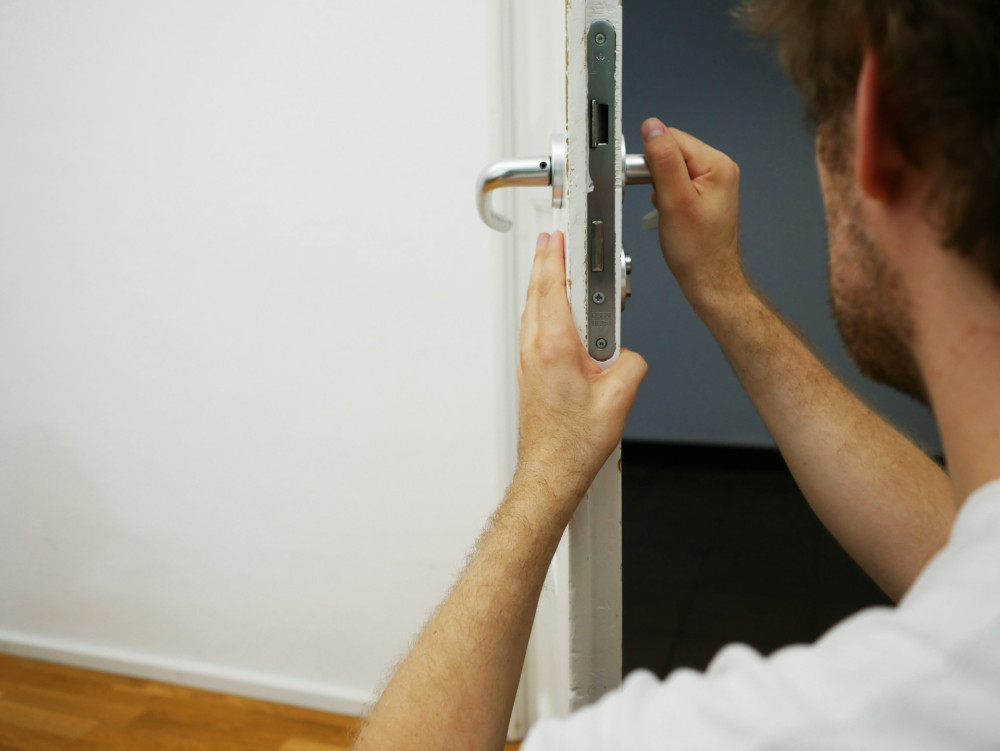
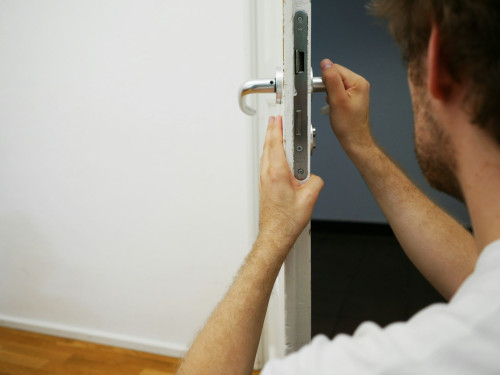
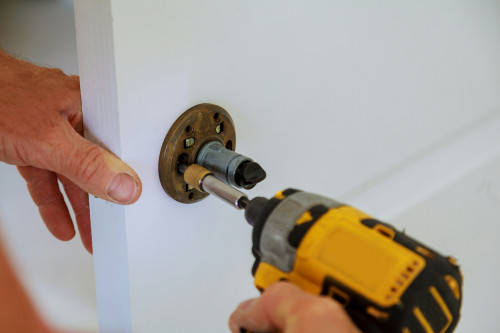
- Change all locks and access codes — you never know how many copies of the old keys are out there.
- Test smoke detectors and electrical systems, especially in older homes.
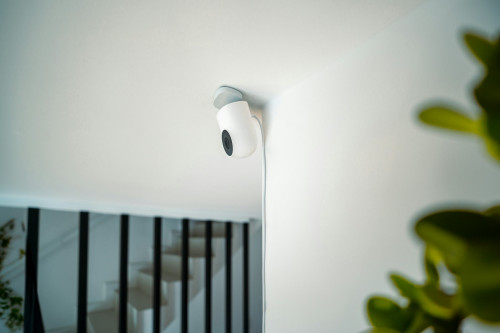
- Consider a modern security system — many options today are flexible and can grow with your needs.
A move is the perfect opportunity to build safety into your new beginning — so your home feels both fresh and secure.
Security Is an Ongoing Process
Home security isn’t a one-time project; it’s something that evolves with your life. As your family changes, so do your needs. By taking small, intentional steps, you can make sure your home always fits the life you’re living — whether you’re on your own, part of a couple, or raising kids.
Læs også: