Use Color and Light to Signal Someone’s Presence at Home

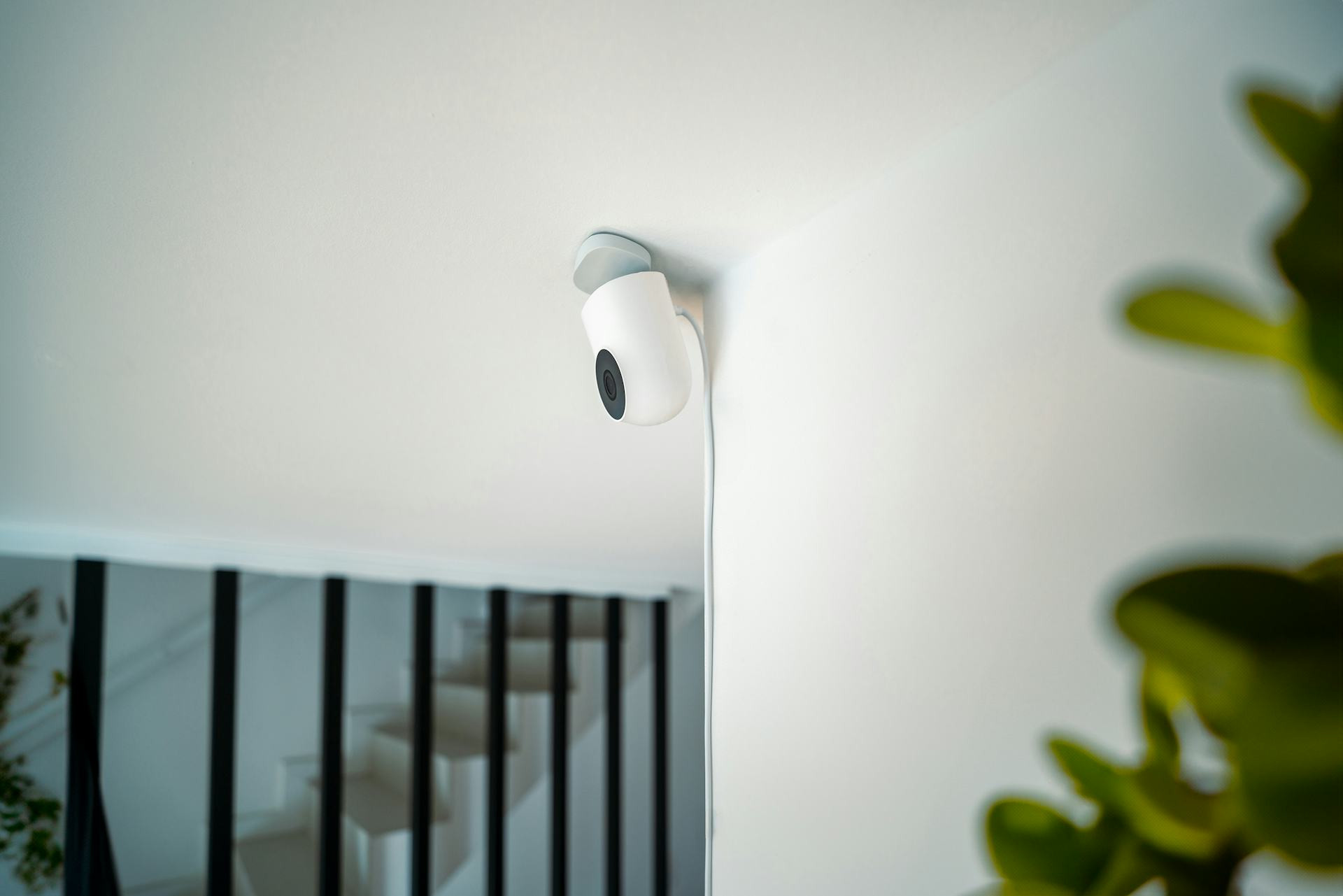
Use Color and Light to Signal Someone’s Presence at Home
A home that looks lived-in is far less appealing to potential burglars. With a few simple tricks using light and color, you can create the illusion of activity—even when you’re away. It’s not just about security; it’s also about creating a warm, welcoming atmosphere that feels alive. Here’s how you can use lighting and color strategically to make your home appear occupied.
Light as the Strongest Signal
Light is the most effective way to make a home look inhabited. A dark house in an otherwise well-lit neighborhood stands out, while a home with varied lighting feels natural and active.
- Use timers or smart plugs: Set lamps to turn on and off at different times. Avoid having all lights switch on or off simultaneously—it looks artificial.
- Create variation: Alternate between rooms and light sources. A living room lamp might turn on early in the evening, while the kitchen or hallway lights come on later.
- Take advantage of smart lighting: Smart bulbs let you control brightness and color temperature through an app, allowing you to simulate your usual routines even when you’re away.
Try to make the lighting pattern follow a realistic rhythm—as if someone is moving through the house. That small detail makes the illusion much more convincing.
Colors That Add Warmth and Life
Color influences how we perceive a space, and it can also help signal activity. Warm tones like yellow, orange, and red suggest energy and comfort, while cooler tones like blue and white often feel calm and still.
- Choose warm light sources: Use bulbs with a warm glow (around 2700 Kelvin) in living areas and kitchens. This mimics natural evening light and creates a cozy atmosphere.
- Use reflective surfaces: Curtains, cushions, or walls in warm shades can amplify the effect of your lighting. A soft amber glow reflected off warm-colored surfaces makes a room look more alive from the outside.
- Adjust colors with the seasons: In winter, golden light feels inviting, while in summer, a more neutral or cooler tone fits the longer, brighter evenings.
Color isn’t just about aesthetics—it’s part of how your home communicates presence and warmth to the outside world.
Combine Light with Movement
A home that feels lived-in isn’t only about lighting; it’s also about subtle signs of motion and change. Movement and variation in light patterns can strengthen the impression of activity.
- Install motion sensors: Outdoor lights that turn on when someone approaches can deter intruders and suggest that someone is home.
- Let electronics help: A TV or radio playing softly can be seen or heard from outside, adding to the sense of life inside.
- Automate curtains or blinds: Some smart systems can open and close window coverings at set times, creating natural changes in your home’s appearance throughout the day.
When light, sound, and movement work together, it becomes nearly impossible to tell whether anyone is actually home.
Læs også:

Think About the Whole Picture—Inside and Out
Home security also depends on how your property looks from the outside. Make sure your yard, driveway, and entryway don’t signal absence.
- Keep things tidy: An overflowing mailbox or an unshoveled driveway can reveal that you’re away. Ask a neighbor to collect mail or clear snow if you’re traveling.
- Use outdoor lighting wisely: Motion-activated or timed lights near doors and walkways add both safety and the impression of activity.
- Find balance: Too much light can look suspicious—a house that’s constantly lit doesn’t seem natural. Aim for a rhythm and variation that feels authentic.
A home that looks naturally lived-in feels safer—for you and for your neighborhood.
Peace of Mind Through Planned Presence
Using color and light to signal presence is a simple yet powerful way to enhance home security. It doesn’t require major investments—just a bit of planning and awareness. With today’s smart technology, you can easily manage your lighting from anywhere and keep your home looking lively at all times.
Safety often comes down to small details. A warm light in the window, a curtain that moves, or a lamp that turns on at just the right moment can make all the difference.
Læs også: