Mechanical vs. Electronic Locks – Which Option Offers the Best Protection?

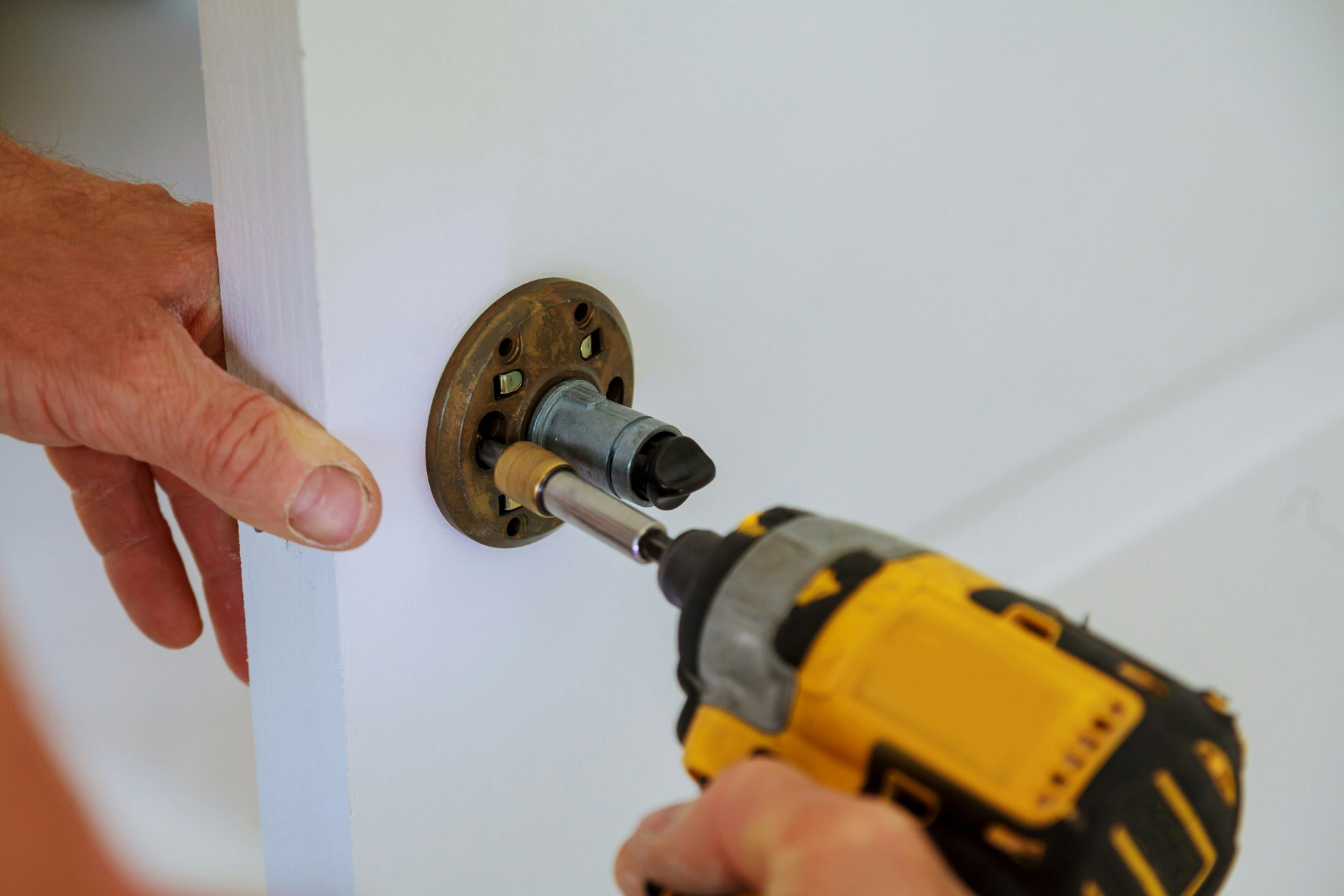
Mechanical vs. Electronic Locks – Which Option Offers the Best Protection?
Securing your home is one of the most important investments you can make. Today, many homeowners face a choice between traditional mechanical locks and modern electronic alternatives. Both have their strengths and weaknesses, and the best option often depends on your needs, budget, and lifestyle. Here’s an overview of the differences—and some guidance to help you choose the right lock for your home.
The Classic Mechanical Lock – Simple and Reliable
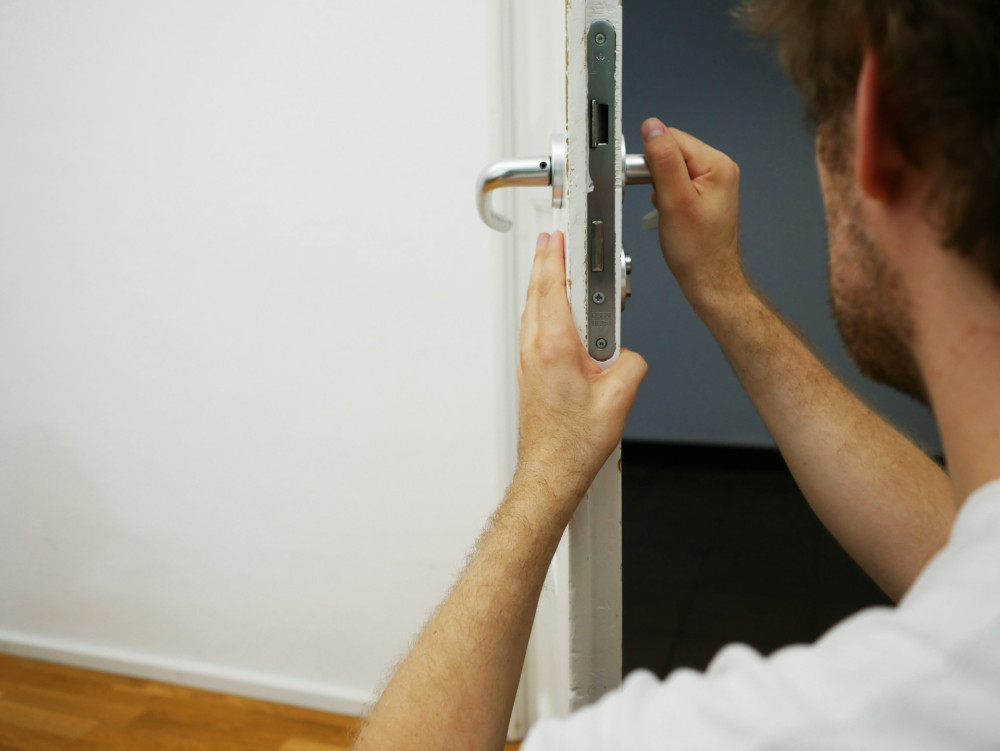
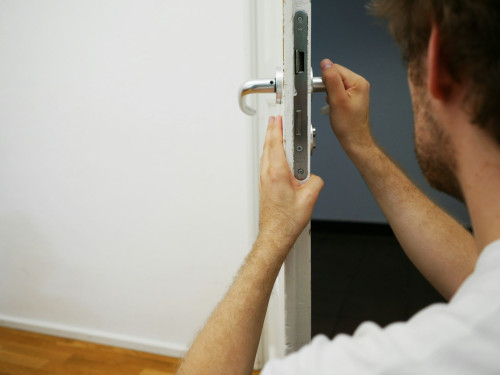
Mechanical locks have been the standard for decades. They operate without electricity and rely on a physical key to engage the locking mechanism.
Advantages:
- Reliability: Mechanical locks are known for their durability and long lifespan. They work regardless of power outages or network issues.
- Low maintenance: There are no batteries, software updates, or electronic components that can fail.
- Cost-effective: They are generally less expensive to purchase and install than electronic locks.
Disadvantages:
- Keys can be lost or copied: A physical key can be misplaced or duplicated without the owner’s knowledge.
- Limited flexibility: You can’t easily change access permissions or track who has entered your home.
- Vulnerability to picking: Although modern mechanical locks have improved, they can still be picked or bumped with the right tools.
Mechanical locks are a solid choice for those who prefer a straightforward, dependable solution without the need for technology.
Læs også:
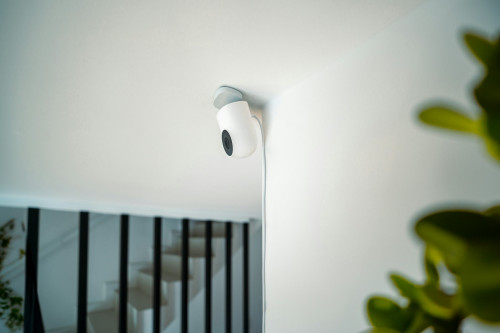
The Modern Electronic Lock – Flexibility and Control
Electronic locks, often referred to as smart locks, have become increasingly popular as technology advances. They can be opened with a code, smartphone app, key fob, or even a fingerprint—and many can integrate with smart home systems.
Advantages:
- Flexible access: You can grant temporary access to guests, contractors, or house cleaners through an app or code.
- No physical keys: You don’t have to worry about lost or stolen keys.
- Monitoring and alerts: Many models send notifications when the door is unlocked and allow you to see who accessed your home.
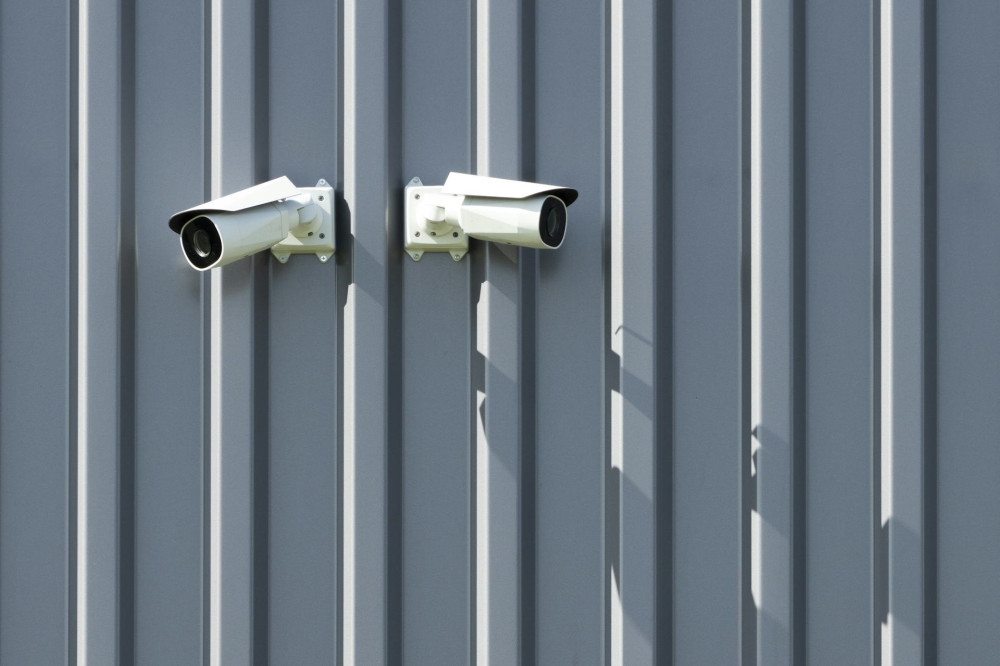
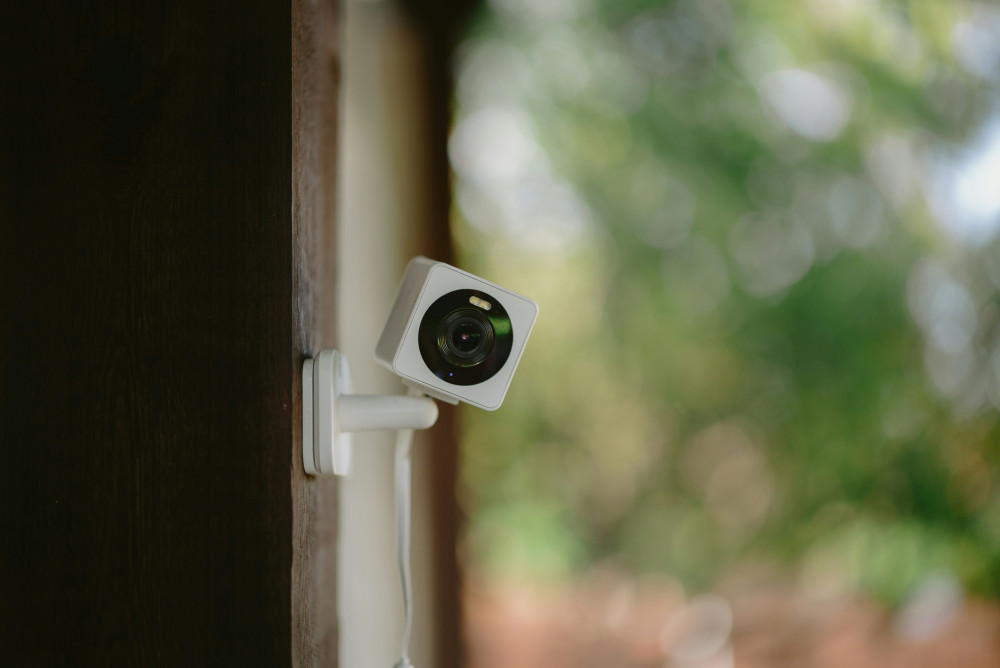
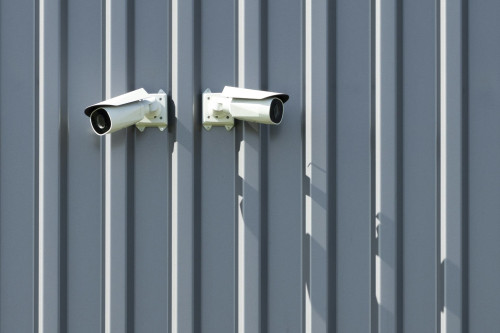
- Integration: Electronic locks can connect with alarm systems, cameras, and other smart home devices for a comprehensive security setup.
Disadvantages:
- Dependence on power and technology: Batteries need to be replaced, and technical glitches can occur.
- Higher cost: They are typically more expensive to buy and install.
- Potential for hacking: While security is strong, electronic systems can be vulnerable to digital attacks if not properly protected.
Electronic locks are ideal for tech-savvy homeowners who value convenience, remote control, and detailed access management.
What Security Experts Recommend
According to locksmiths and insurance professionals, the key factor isn’t just the type of lock—it’s the quality. A cheap electronic lock may be less secure than a certified mechanical one, and vice versa.
In the U.S., look for locks that meet ANSI/BHMA security standards (Grade 1 being the highest). It’s also wise to layer your security—for example, using an electronic lock on the front door and a high-quality mechanical deadbolt on secondary entrances.
Which Option Fits Your Needs?
Your choice depends on your lifestyle and priorities:
- For the traditional homeowner: A high-quality mechanical lock offers peace of mind without technical complications.
- For the tech enthusiast: An electronic lock provides flexibility, remote access, and real-time monitoring.
- For the security-conscious: A combination of both—such as a smart lock with a mechanical backup key—offers the best of both worlds.
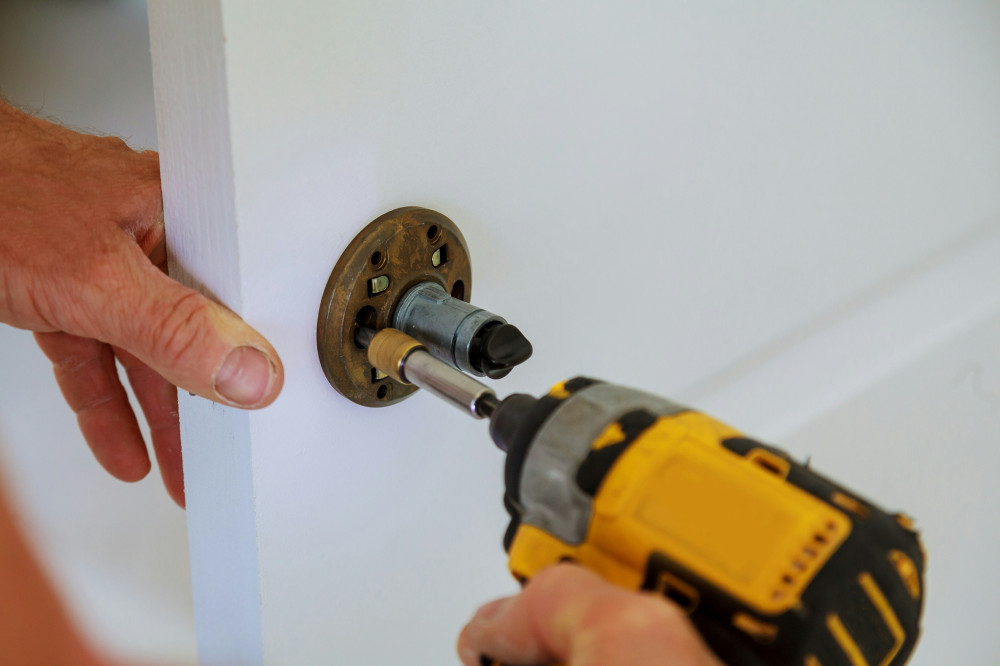
No matter which you choose, proper installation and maintenance are essential. A professional locksmith can help you select and install the right lock for your home’s design and security level.
The Future of Home Security
The future of locks is moving toward smarter, more connected systems that use biometric sensors, encrypted communication, and seamless integration with home security networks. Yet even in a digital age, the mechanical lock isn’t going anywhere—it remains a symbol of reliability and simplicity.
The best protection comes when tradition and technology work together. A good lock doesn’t just keep intruders out—it gives you peace of mind.
Læs også: