Protect Your Family from Sharp Corners and Edges in the Living Room

Protect Your Family from Sharp Corners and Edges in the Living Room
The living room is often the heart of the home — a place where kids play, adults relax, and families spend time together. But because it’s used so much, it can also hide potential hazards. Sharp corners on coffee tables, low shelves, and hard furniture edges can easily cause bumps, cuts, or more serious injuries — especially for curious toddlers exploring their surroundings. Fortunately, with a few simple steps, you can make your living room both cozy and safe for everyone.
Identify Risk Areas
Start by looking at your living room from a child’s perspective. Get down to their level and notice what’s at eye height for a small child. Coffee tables, TV stands, window sills, and low bookshelves are common spots where accidents can happen.
Take a quick inventory:
- Coffee and side tables – especially those made of glass or metal with sharp corners.
- TV stands and media consoles – kids can bump into them while playing or standing up.
- Window sills and radiators – often overlooked, but can cause painful knocks if a child falls.
- Decorations and lamps – heavy items on low furniture can tip over if pulled or bumped.
Once you’ve identified the risk areas, it’s easier to find the right safety solutions.
Læs også:

Use Corner Guards and Edge Protectors
One of the most effective ways to prevent injuries is to install corner guards and edge protectors. These come in many styles — from clear silicone corners to soft foam strips that can be cut to size.
- Corner guards work well on tables, dressers, and window sills. They soften impacts and reduce the risk of cuts.
- Edge protectors are great for longer surfaces like TV stands or low shelves. They’re easy to attach with double-sided adhesive tape.
- Choose BPA- and phthalate-free materials to keep your home free from harmful chemicals.
It may seem like a small detail, but it makes a big difference — especially when little ones are learning to crawl and walk.
Incorporate Safety into Your Design
Safety doesn’t have to compromise style. Many modern safety products are subtle and can blend seamlessly with your décor. Consider:
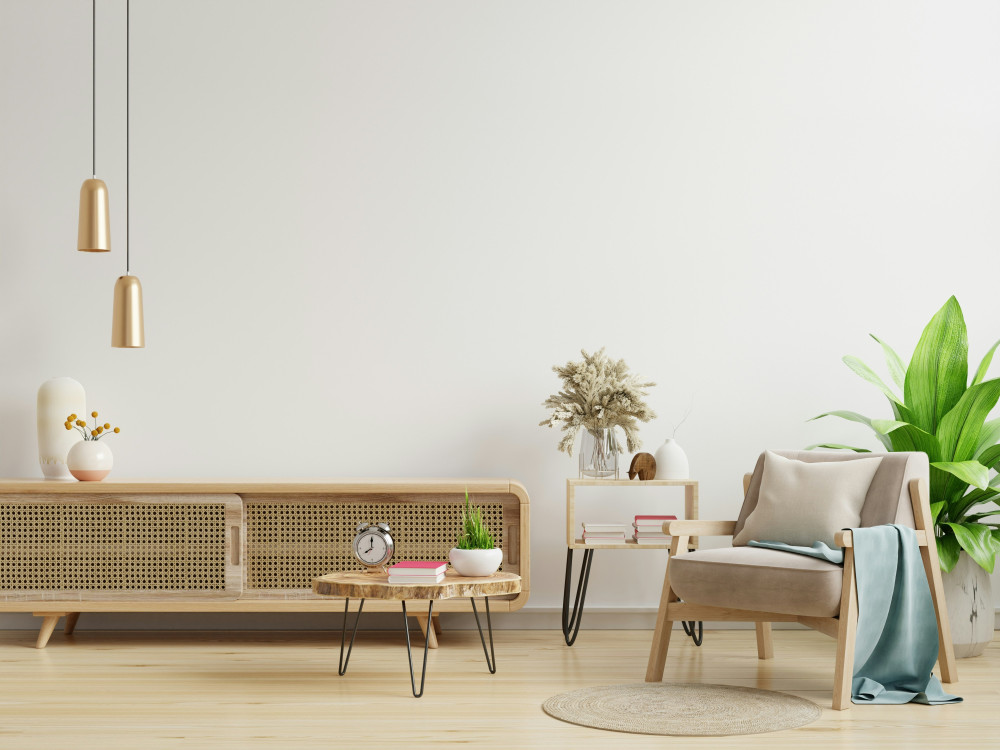
- Round tables instead of square ones — no sharp corners to worry about.
- Soft textiles like rugs and cushions that help cushion falls.
- Furniture with rounded edges — especially if you’re buying new pieces.
- Sturdy furniture that won’t tip over if a child leans on it.
By thinking about safety as part of your design choices, you can create a space that’s both beautiful and family-friendly.
Make It a Family Project
Kids learn quickly, and involving them in making the living room safer can be both fun and educational. Explain why the corner guards are there and why running with toys in hand isn’t safe. This helps build awareness and responsibility.
Older children can help apply the protectors or choose colors that match the room. Turning it into a shared project makes the process more engaging for everyone.
Check and Maintain Regularly
Even the best safety solutions don’t last forever. Over time, adhesive can loosen, or protectors can wear out. Make it a habit to check them a few times a year — for example, during spring cleaning or when rearranging furniture.
Replace any guards that are loose or damaged, and make sure everything is securely attached. It only takes a few minutes but can prevent many small accidents.
A Safe Living Room Brings Peace of Mind
Protecting your family from sharp corners and edges isn’t just about safety — it’s about peace of mind. When you know your home is thoughtfully arranged, you can relax and let your children explore freely. A safe living room is a place where everyone — big and small — can move around comfortably and confidently, without fear of those little accidents that can so easily happen.
Læs også: