Neighborhood Watch as a Tool for Safety and Community Upkeep

Neighborhood Watch as a Tool for Safety and Community Upkeep
Across the United States, neighborhood watch programs have become a trusted way to promote both safety and a sense of community. They are not just about preventing crime, but about building relationships, trust, and shared responsibility among neighbors. When people know one another and work together, their neighborhoods become safer, friendlier, and better maintained places to live.
Safety Through Awareness and Connection
One of the most effective ways to deter crime is simply to know your neighbors. When residents recognize who belongs in the area, it becomes easier to notice unusual activity and respond appropriately. Neighborhood watch is not about spying or suspicion—it’s about caring for one another and keeping an eye out for the well-being of the community.
Many neighborhoods today use digital tools such as Nextdoor, Facebook groups, or local text chains to share updates about suspicious activity or community events. Still, personal contact remains the foundation of a strong neighborhood watch. A quick chat across the fence, a wave on the sidewalk, or a block meeting can go a long way toward building trust and awareness.
Community Upkeep as a Natural Extension
When neighbors come together to promote safety, they often find themselves motivated to care for their surroundings as well. Joint efforts to maintain shared spaces—like cleaning sidewalks, planting flowers, or repainting fences—help strengthen community pride and improve the neighborhood’s appearance. A well-kept area sends a clear message: people here care about their homes and each other.
Organizing a community clean-up day or a seasonal work party can be a great way to combine practical maintenance with social connection. Ending the day with a potluck or barbecue helps turn the effort into a celebration of shared ownership and teamwork.
Læs også:
Getting Started
If you’d like to start or strengthen a neighborhood watch in your area, begin with small, simple steps:
- Host a meeting – Invite neighbors to gather and discuss how you can look out for one another.
- Create a contact list – Make sure everyone knows how to reach each other in case of emergencies or concerns.
- Use digital tools – Set up a private online group or messaging thread to share updates quickly.
- Plan community events – Organize block parties, yard sales, or volunteer days to build relationships beyond safety concerns.
The key is to keep the effort friendly and inclusive. A neighborhood watch works best when it grows naturally from genuine interest in one another’s well-being, not from fear or obligation.
An Investment in Community
At its heart, neighborhood watch is an investment in community life. When neighbors know and trust each other, it becomes easier to ask for help, borrow tools, or check in on someone who might need support. At the same time, crime risks decrease, and the sense of security rises.
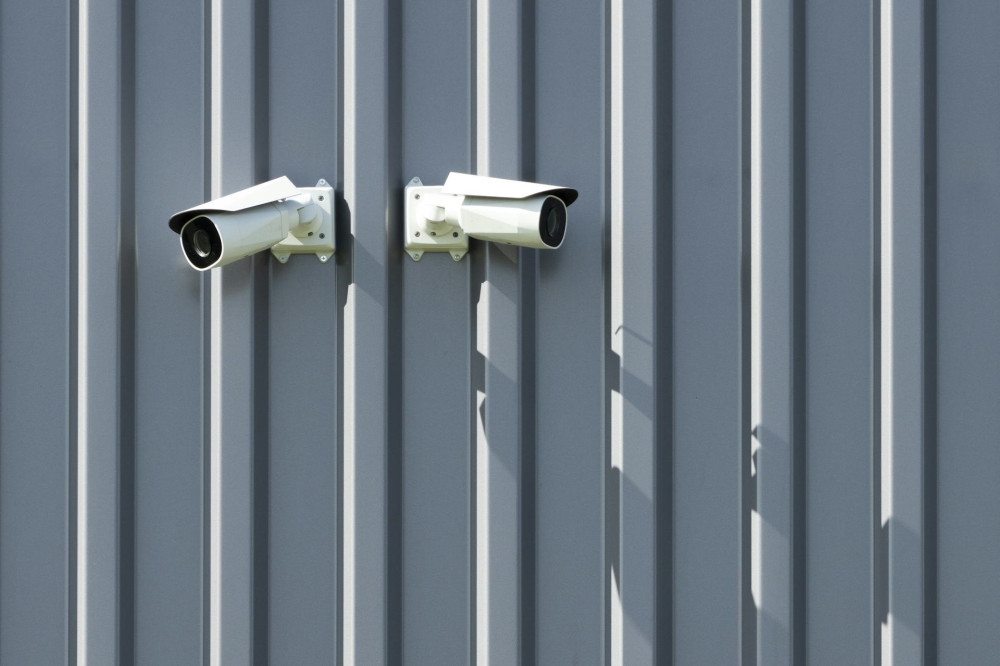
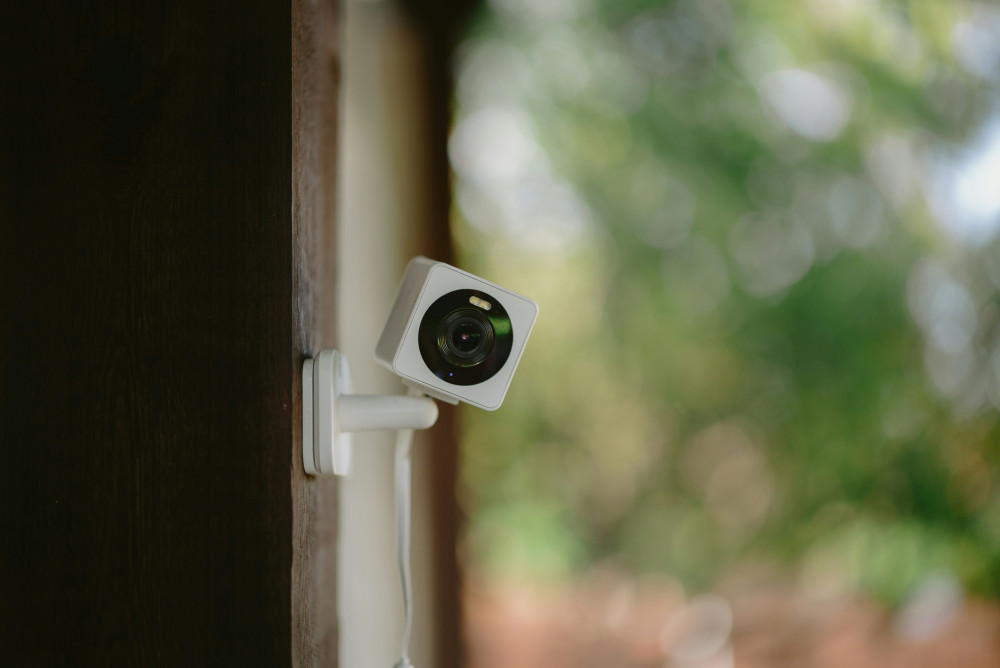
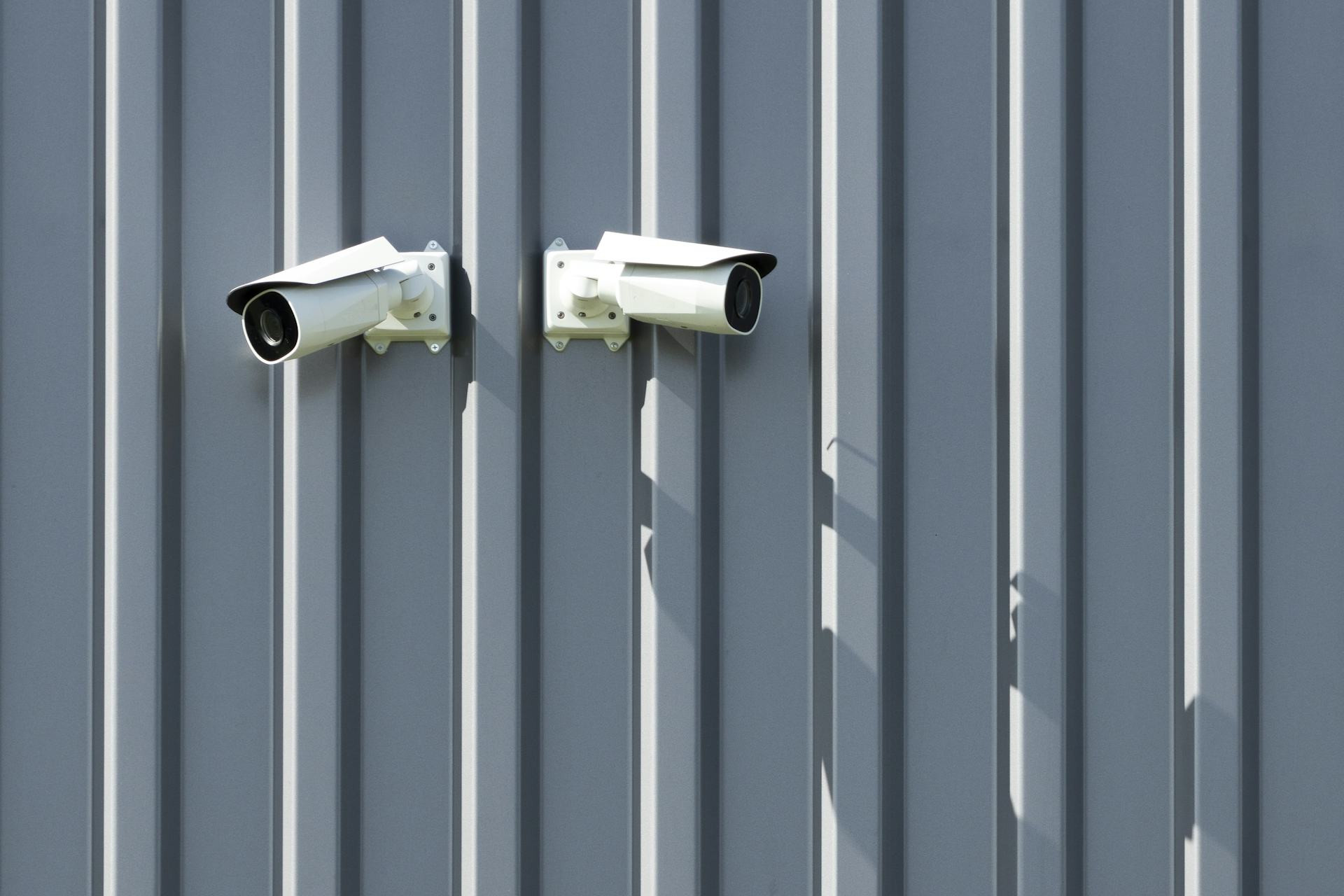
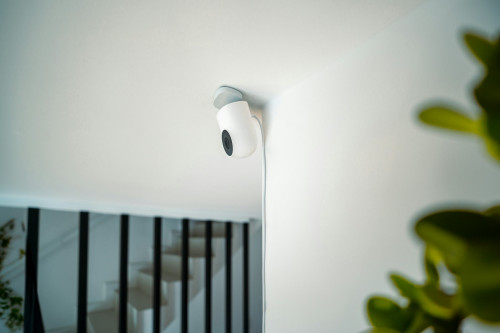
A safe neighborhood isn’t built by surveillance cameras or tall fences alone—it’s built by people who look out for one another and take pride in where they live. Neighborhood watch is more than a safety measure; it’s a way to create stronger, more connected, and more vibrant communities across America.
Læs også: