Avoid Grease and Dirt in Your Backwater Valve

Avoid Grease and Dirt in Your Backwater Valve
A backwater valve is an essential part of your home’s plumbing system. It protects your basement or lower-level rooms from sewage backups when the municipal sewer becomes overloaded during heavy rain. But for it to work properly, it needs to stay clean and free of grease, dirt, and debris. Many homeowners forget about maintenance until it’s too late—when the damage is messy, expensive, and stressful. Here’s how to keep your backwater valve in top shape and prevent grease and dirt from causing problems.
What Is a Backwater Valve—and Why Does It Matter?
A backwater valve is a device installed in your home’s main sewer line. It automatically closes if wastewater starts to flow backward from the public sewer system, preventing sewage from entering your home through floor drains, toilets, or sinks. It’s especially important for homes with plumbing fixtures below street level, such as in basements.
However, even the best backwater valve can’t do its job if it’s clogged. Grease, hair, soap scum, and debris can build up inside the valve, preventing it from sealing properly. The result can be slow drainage—or worse, sewage backing up into your home.
Grease—the Hidden Enemy in Your Drains
Pouring cooking grease down the sink might seem harmless, but it’s one of the biggest culprits behind plumbing blockages. When grease cools, it solidifies and sticks to the inside of your pipes. Over time, it can form thick layers that restrict water flow and interfere with your backwater valve’s operation.
To prevent this, never pour grease, oil, or food scraps down the drain. Instead:
- Wipe pans and dishes with a paper towel before washing them.
- Collect used cooking oil in a sealed container and dispose of it with household waste or at a local recycling center.
- Scrape food scraps into the trash or compost bin instead of rinsing them away.
These small habits can make a big difference for your plumbing and the environment.
Dirt, Hair, and Soap Scum—The Overlooked Trouble-Makers
Besides grease, other materials like hair, soap residue, and dirt from cleaning or laundry can also cause trouble. They can accumulate around the valve’s flapper, preventing it from closing tightly. This can allow wastewater to seep back into your home or stop the valve from opening when it should.
To avoid these issues:
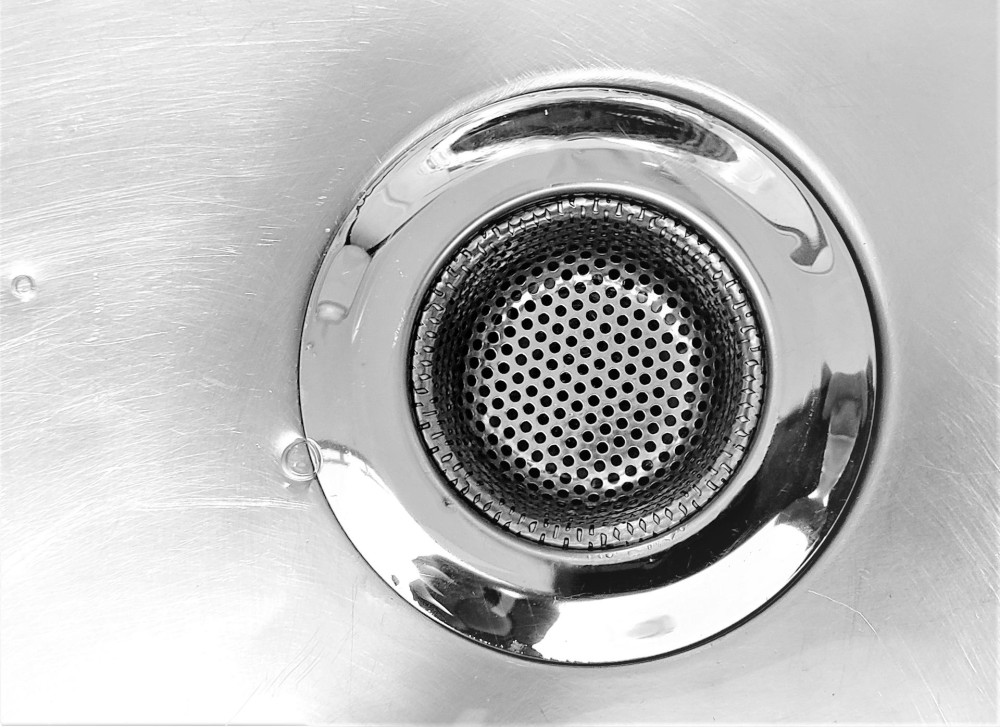
- Clean drain strainers regularly.
- Avoid washing sand, soil, or gravel down the drain.
- Inspect your backwater valve at least twice a year—ideally in spring and fall.
How to Maintain Your Backwater Valve
A backwater valve doesn’t require much work, but it does need regular attention. You can perform a simple inspection yourself:
- Remove the cover and check for any buildup of grease, hair, or debris.
- Clean the flapper with a soft brush and warm water—avoid harsh chemicals that could damage rubber seals.
- Check the movement—the flapper should open and close freely.
- Inspect the seals—if they’re worn or brittle, replace them.
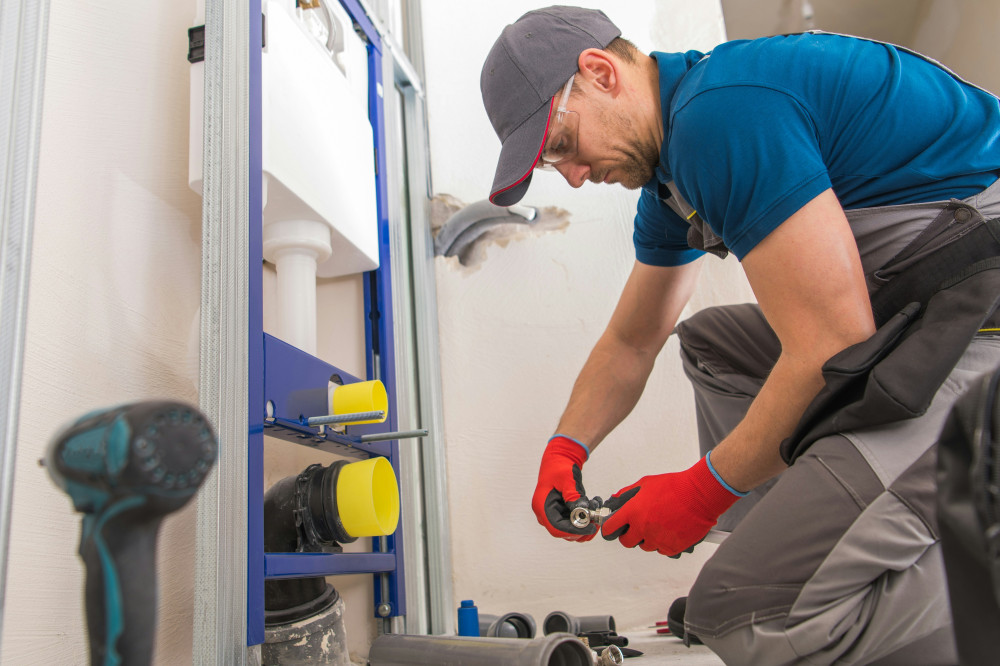
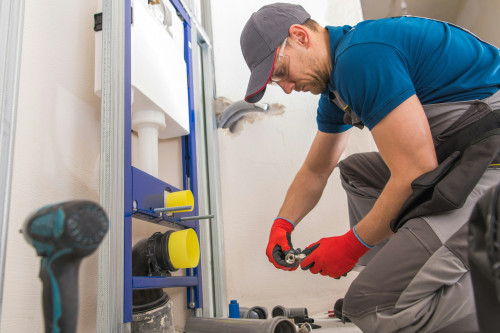
If you’re unsure or notice that the valve isn’t functioning properly, contact a licensed plumber. Many plumbing companies offer annual maintenance services to clean and test your backwater valve.
Warning Signs That Something’s Wrong
Watch for these signs that your backwater valve may need attention:
- Drains are slow to empty.
- You hear gurgling sounds from your plumbing.
- There’s a foul odor coming from basement drains.
- Water backs up through floor drains during heavy rain.
If you notice any of these symptoms, act quickly. A clogged or faulty valve can lead to sewage backups and costly water damage.
Læs også:
Prevention Is the Best Protection
A clean, well-maintained backwater valve is your best defense against basement flooding and sewage backups. By keeping grease and dirt out of your drains, performing regular inspections, and scheduling professional maintenance when needed, you can save yourself time, money, and frustration.
Remember, a backwater valve isn’t a “set it and forget it” device. It’s an active safeguard that needs a little care to work when you need it most—during heavy rain and sewer overloads.
Læs også: