How to Keep Your Floor Drain Odor-Free

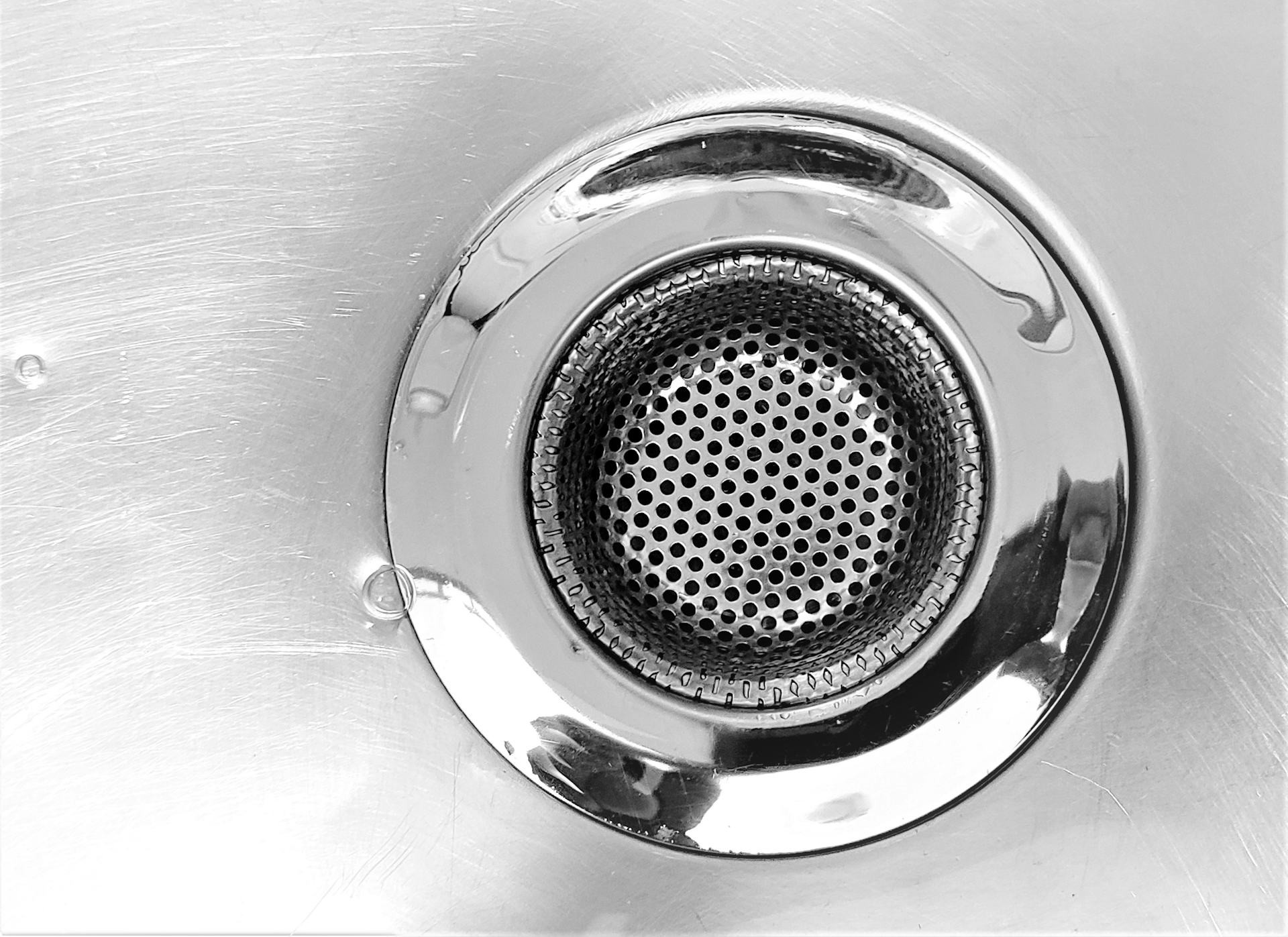
How to Keep Your Floor Drain Odor-Free
A smelly floor drain can quickly ruin the fresh feeling of a clean bathroom or laundry room. The unpleasant odor often comes from bacteria, soap residue, or a dried-out trap—but with a few simple habits, you can keep your drain clean and odor-free. Here’s a practical guide to preventing and eliminating bad smells from your floor drain.
Understand the Source of the Odor
Before you start cleaning, it helps to know what’s causing the smell. The most common reasons include:
- Dry P-trap – If the trap under the drain dries out, sewer gases can escape into your home.
- Buildup of debris – Hair, soap scum, and dirt can collect in the drain and create a breeding ground for bacteria.
- Poor ventilation – In bathrooms or basements with limited airflow, odors can linger and intensify.
Once you identify the cause, it’s easier to choose the right solution.
Clean the Drain Regularly
A thorough cleaning a few times a year can make a big difference. Here’s how to do it safely:
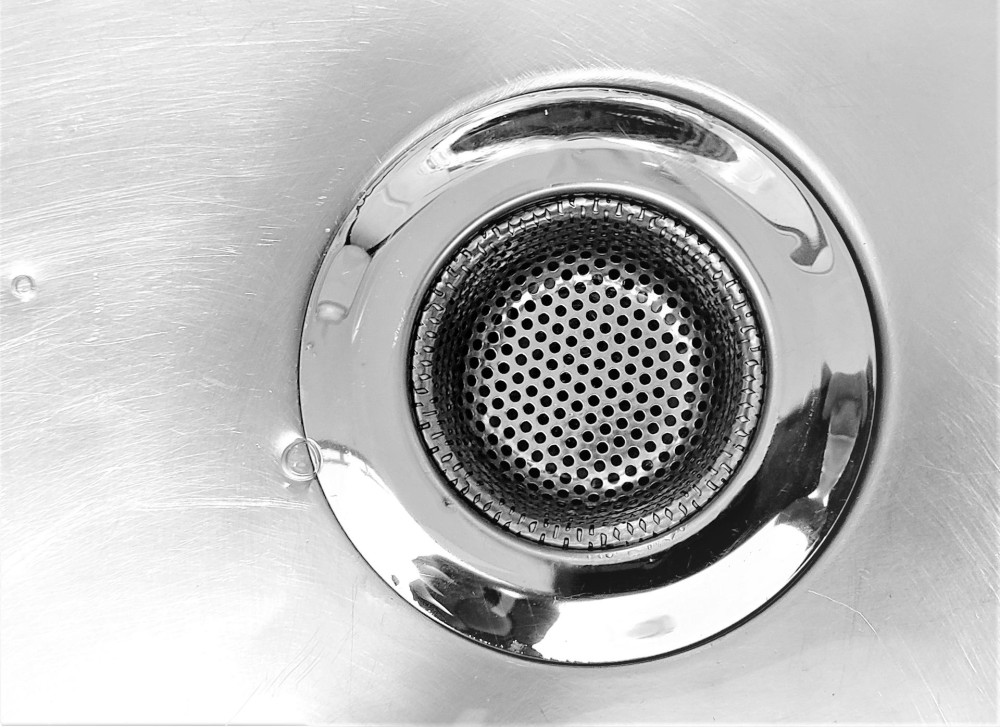
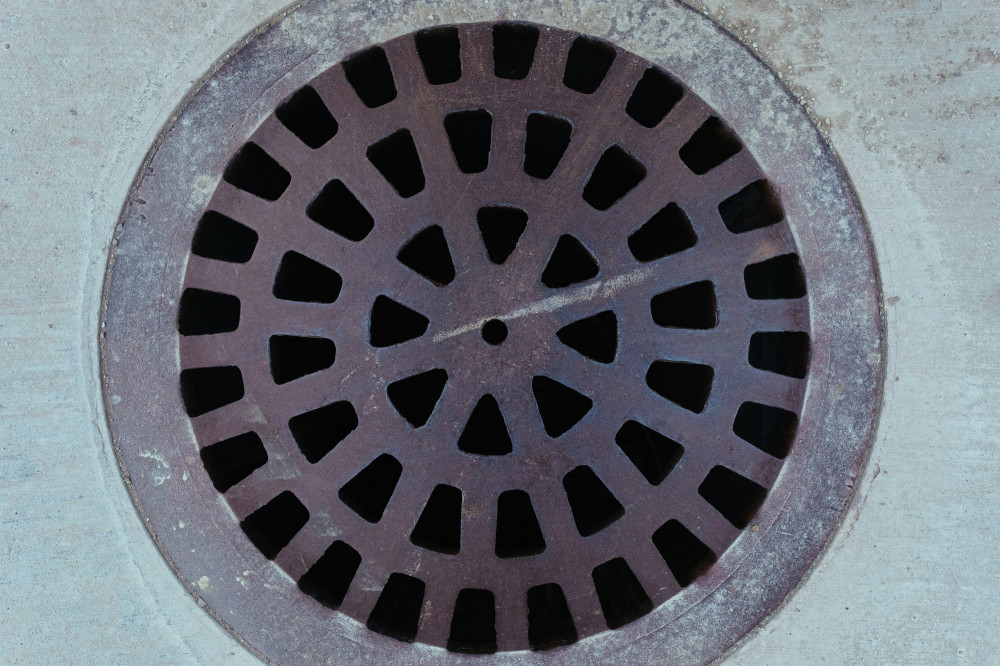
- Remove the drain cover – Use a screwdriver or small tool if it’s stuck.
- Take out the trap insert – Many modern floor drains have a removable cup or trap that can be lifted out.
- Clear out hair and debris – Wear gloves and use an old toothbrush to scrub the edges and corners.
- Wash with hot water and mild detergent – Avoid harsh chemicals that can damage plastic or rubber parts.
- Rinse thoroughly and reassemble the parts.
Finish by pouring a kettle of hot water down the drain to flush away any remaining residue and freshen the pipe.
Keep the Trap Filled with Water
One of the most common causes of odor is a dry P-trap. This happens especially in guest bathrooms, basements, or utility rooms that aren’t used often. To prevent it:
- Pour a few cups of water into the drain once a week.
- Add a teaspoon of mineral oil afterward—the oil forms a thin layer on top of the water and slows evaporation.
This simple step can prevent sewer gases from entering your home.
Use Natural Deodorizers
If you notice a mild odor, try a gentle, eco-friendly cleaning method:
- Pour ½ cup of baking soda into the drain.
- Add ½ cup of white vinegar—it will fizz and help loosen grime.
- Let it sit for 10–15 minutes, then flush with boiling water.
This combination kills bacteria and neutralizes odors without harming your plumbing.
Practice Good Drain Habits
Keeping your floor drain odor-free isn’t just about cleaning—it’s also about prevention. Adopt these simple habits:
- Remove hair and debris from the drain cover after each shower.
- Avoid pouring grease, coffee grounds, or food scraps down the drain.
- Ensure proper ventilation in bathrooms and basements to reduce moisture and bacteria growth.
- Check periodically that the trap is intact and there are no leaks or cracks.
Small, consistent habits can make a big difference over time.
When to Call a Professional
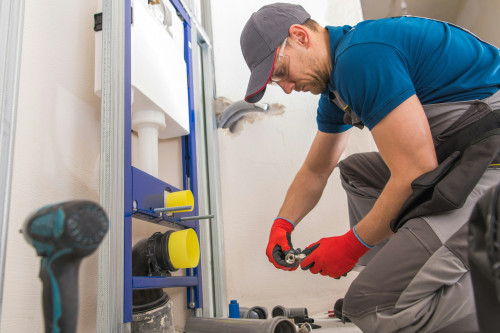
If the odor persists even after thorough cleaning, there may be a deeper issue—such as a damaged trap, clogged pipes, or a problem with your home’s venting system. In that case, contact a licensed plumber who can inspect the system and fix the underlying cause.
Læs også:

A Little Maintenance Goes a Long Way
Keeping your floor drain clean and odor-free doesn’t require much effort, just regular attention. With routine cleaning, a filled trap, and a few preventive habits, you can avoid unpleasant smells and extend the life of your plumbing system. It’s a small investment of time that pays off in comfort and hygiene throughout your home.
Læs også: