Learn from Past Rat Problems in Sewers and Drains – and Avoid Repeat Issues

Learn from Past Rat Problems in Sewers and Drains – and Avoid Repeat Issues
Rats in sewers and drains are a problem many homeowners only discover once the damage is done. They can chew through pipes, cause foul odors, and in the worst cases, find their way into your home. Yet many of these issues could have been prevented by learning from past experiences. Here’s what previous rat infestations have taught us—and how you can use that knowledge to prevent new ones.
How Rats Get In – Common Causes
Rats are opportunistic survivors. They seek warmth, food, and shelter, and the sewer system provides all three. Most rat problems begin with small weaknesses in the plumbing or drainage system:
- Cracked or misaligned pipes – even small gaps can give rats access.
- Missing or faulty backflow preventers – without a proper barrier, rats can move freely between public sewers and private lines.
- Improperly installed drains – especially after home additions or remodels where connections weren’t sealed correctly.
- Open or damaged cleanouts and manhole covers – a small opening is all a rat needs to squeeze through.
Past cases show that many infestations occur because homeowners skip regular inspections or assume rats only invade older homes. That’s a misconception—newer systems can also be vulnerable if installation or maintenance is neglected.
Learning from Experience – Prevention Pays Off
Public health departments and licensed plumbers across the U.S. have gathered valuable insights over the years: prevention is always cheaper than extermination.
- Schedule a sewer inspection every 5–10 years, or sooner if you notice slow drains, foul smells, or dampness in the basement.
- Install a rat guard or backflow valve in your main sewer line—it’s a small investment that can prevent major repairs later.
- Watch for signs of activity: scratching sounds in walls, burrows near foundations, or droppings around drains.
- Avoid pouring grease or food waste down the sink, as it attracts rats deeper in the system.
Experience shows that many infestations could have been avoided if homeowners had acted on early warning signs. A quick camera inspection can reveal hidden issues before they escalate.
Læs også:
When Damage Has Occurred – Use It as a Learning Opportunity
If you’ve had rats once, it’s crucial to learn from the incident. Many homeowners fix the visible damage but fail to address the root cause—allowing the problem to return.
After an infestation, you should:
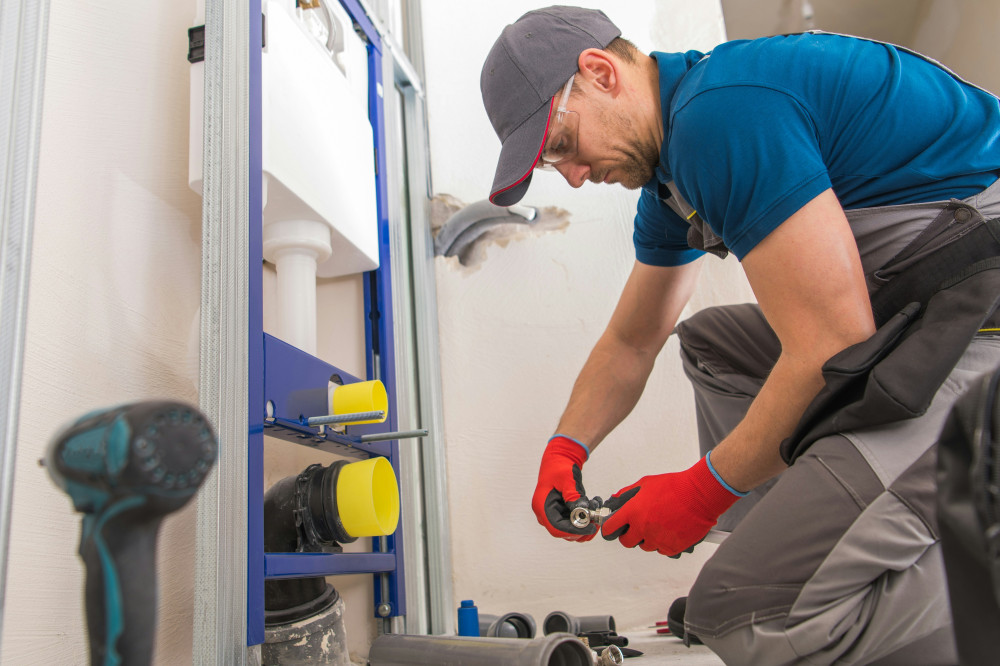
- Have a licensed plumber inspect the entire system, not just the area where rats were found.
- Document the damage with photos and reports so you can track any recurrence.
- Ensure proper repairs—temporary fixes like foam or cement plugs rarely last.
- Consider a maintenance plan with periodic inspections to keep your system in good shape.
Past experiences show that rats often return to the same properties if the underlying issue isn’t fully resolved. It could be an old lateral line, a forgotten cleanout, or a cracked pipe under the slab.
Working with Local Authorities – A Key Part of the Solution
In most U.S. cities, local health departments or public works agencies oversee rodent control in public sewers, but property owners are responsible for their private lines. The best results come when homeowners, plumbers, and local authorities work together.
- Report rat sightings promptly—the sooner officials know, the faster they can act.
- Share information—if neighbors have similar issues, it may point to a shared problem in the area.
- Follow up on extermination efforts—ask what was found and how you can prevent future infestations.
Collaboration ensures not only that rats are removed but also that they don’t come back.
New Technology for Better Control
Recent years have brought new tools that make detecting and preventing rat problems easier. Sewer cameras, smart backflow valves, and sensors in cleanouts can provide early warnings before rats reach your home.
Some cities are also testing smart traps that send alerts when a rat is caught, making control efforts more efficient. As a homeowner, you can benefit from these innovations by choosing a plumber who uses modern inspection and prevention equipment.
An Investment in Peace of Mind
Rats in sewers aren’t just a nuisance—they affect your home’s safety and comfort. By learning from past mistakes and taking prevention seriously, you can avoid repeat problems and keep your plumbing system secure.
It’s not only about reacting when rats appear but about thinking long-term: inspect, maintain, and cooperate. That way, you can prevent unpleasant surprises—and focus on everything else that makes your home a comfortable place to live.
Læs også: