Clear Minor Drain Clogs with Simple Tools

Clear Minor Drain Clogs with Simple Tools
A slow or clogged drain can quickly disrupt your daily routine. Fortunately, many minor clogs can be cleared without calling a plumber—if you know what to do. With a few basic tools and a bit of patience, you can often get the water flowing freely again. Here’s a practical guide to safely and effectively clearing small drain clogs in your home.
Identify the Source of the Problem
Before you start, figure out where the clog is located. If only one sink, shower, or tub is draining slowly, the blockage is likely close to that fixture—often caused by hair, grease, or soap buildup. If multiple drains are affected, the problem may be deeper in your plumbing system, and you may need professional help.
A good first step is to check the P-trap (the curved pipe under your sink). It collects debris and can easily become clogged. Place a bucket underneath, unscrew the trap, and clean it thoroughly. Rinse it with warm water before reattaching. This simple step often solves slow-draining sinks.
Use a Plunger – The Classic First Choice
A plunger is one of the simplest and most effective tools for loosening minor clogs. Fill the sink or tub with enough water to cover the rubber cup, then place the plunger firmly over the drain. Push down and pull up in quick, rhythmic motions. The suction and pressure can dislodge the blockage and restore flow.
Repeat several times, then test the drain. If the water still drains slowly, try again—but avoid using excessive force, as it can damage seals or pipes.
Try a Drain Snake
If plunging doesn’t work, a drain snake (also called a plumbing auger) is the next step. This flexible metal coil can reach deeper into the pipe to break up or pull out debris.
Insert the snake into the drain while turning the handle. When you feel resistance, you’ve likely reached the clog. Rotate and gently pull the snake back out—hair, grease, or food particles often come with it. Flush the drain with hot water afterward to clear any remaining residue.
A drain snake is especially useful in kitchen sinks, where grease and food waste tend to build up.
Avoid Harsh Chemical Cleaners
It’s tempting to pour chemical drain cleaner down the pipe, but that’s rarely a good idea. These products can damage pipes, harm the environment, and pose safety risks if they don’t fully clear the clog. They can also make it dangerous for a plumber to work on your pipes later.
A safer alternative is a natural cleaning mix. Pour half a cup of baking soda into the drain, followed by one cup of vinegar. Let it fizz for 10–15 minutes, then flush with boiling water. This gentle method can help dissolve grease and soap buildup without harsh chemicals.
Prevent Future Clogs
Once your drain is running smoothly again, take a few simple steps to prevent future blockages:
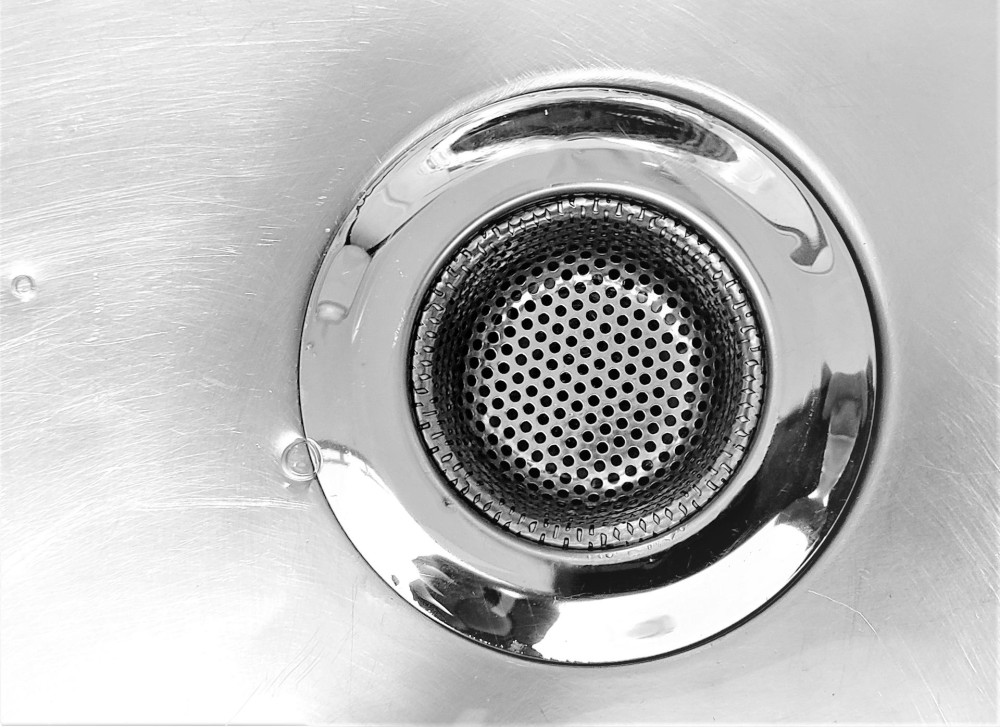
- Use a drain strainer – It catches hair, food scraps, and other debris before they enter the pipes.
- Don’t pour grease down the sink – Grease solidifies as it cools and can quickly cause clogs.
- Flush with hot water regularly – It helps dissolve soap and grease buildup.
- Clean the P-trap periodically – A quick cleaning a few times a year can prevent slow drains.
Læs også:

When to Call a Professional
If you’ve tried these methods without success, or if multiple drains in your home are clogged at once, the problem may be in your main sewer line. In that case, it’s best to call a licensed plumber. They have specialized tools—like hydro-jetting equipment and inspection cameras—to locate and remove deep blockages safely.
You should also seek professional help if you notice foul odors, dampness, or signs of pipe damage. Addressing the issue early can prevent costly repairs later.
Simple Tools, Big Results
Most minor drain clogs can be cleared with a plunger, a drain snake, and a little patience. By acting quickly and using the right techniques, you can avoid unpleasant smells, backups, and water damage. And with a few preventive habits, you can keep your drains clear and your plumbing in great shape for years to come.
Læs også: