Your Contribution to a Well-Functioning Wastewater System

Your Contribution to a Well-Functioning Wastewater System
When you flush the toilet, run the dishwasher, or take a shower, you probably don’t think much about what happens next. But all that water flowing down the drain becomes part of a vast and complex system that cleans and returns it safely to the environment. A well-functioning wastewater system is essential for public health, environmental protection, and everyday comfort—and you play a bigger role in keeping it running smoothly than you might think.
Why Your Drains Matter
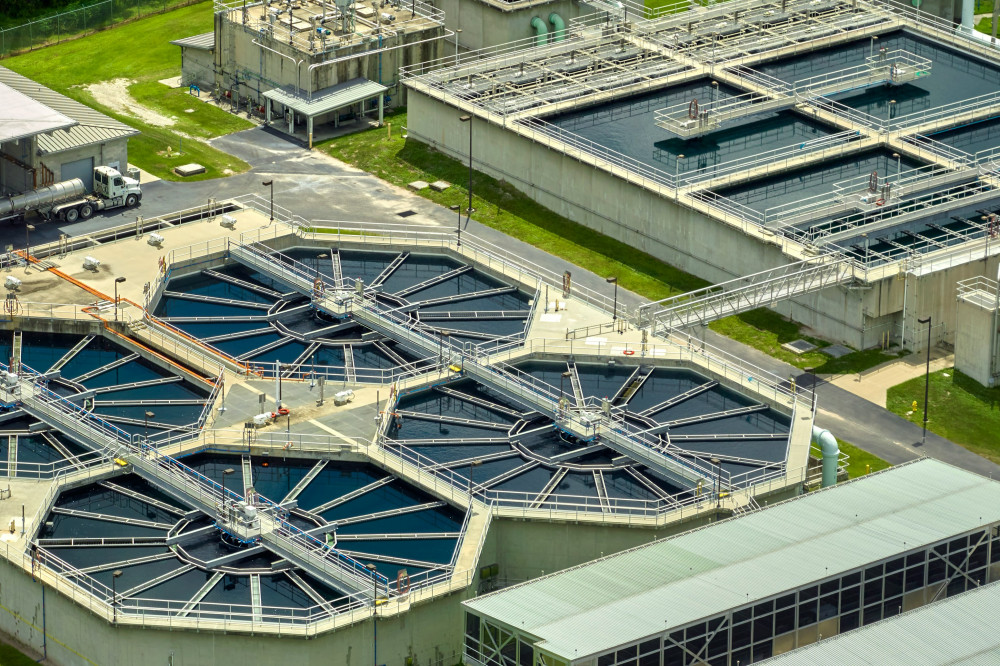
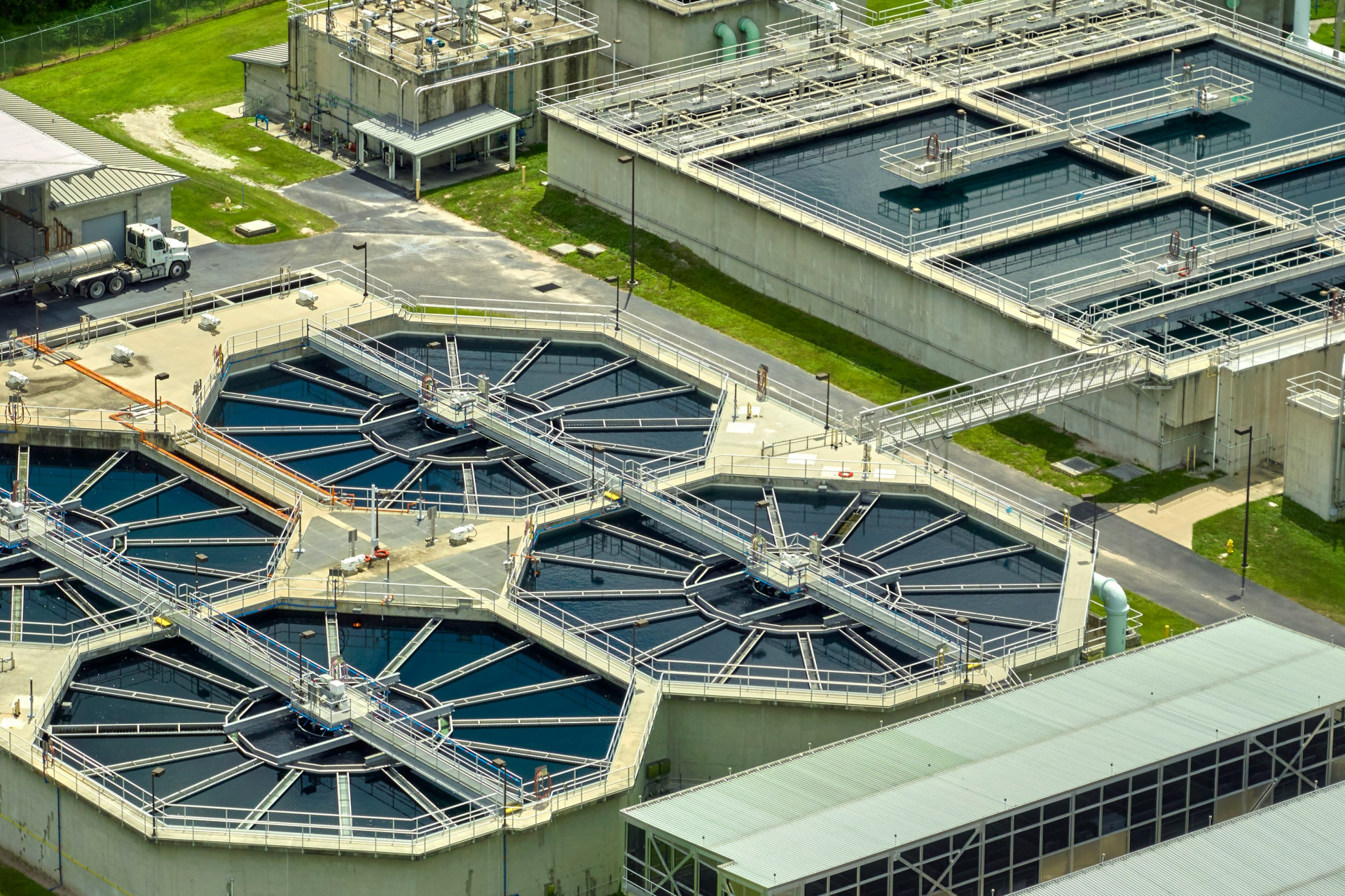
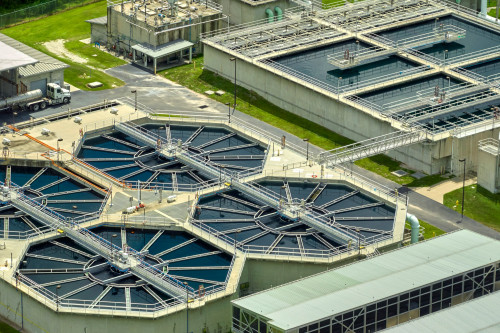
The wastewater system is an invisible but vital part of our infrastructure. It includes miles of underground pipes, pumping stations, and treatment plants that handle millions of gallons of water every day. When everything works as it should, we hardly notice it. But when it doesn’t, the consequences can be serious: flooded basements, polluted waterways, and costly repairs.
Many of the problems that occur in sewers start right in our homes. What we flush or pour down the drain can make a big difference in how well the system performs.
What You Should Never Flush
Your toilet is designed for only three things: human waste, urine, and toilet paper. Everything else belongs in the trash. Still, many items end up in the sewer that shouldn’t—and they can cause major blockages and damage.
- Wipes and hygiene products – Even those labeled “flushable” don’t break down easily and can clog pipes and pumps.
- Fats, oils, and grease – These solidify in pipes and form “fatbergs” that block the flow of wastewater.
- Cotton swabs, hair, and dental floss – These tangle together and create stubborn clogs.
- Chemicals, paint, and medications – These can disrupt the treatment process and harm aquatic life.
A good rule of thumb: when in doubt, throw it out—don’t flush it.
Keep Stormwater and Sewage Separate
In many older U.S. cities, stormwater and sewage share the same pipes. During heavy rain, this can overwhelm the system and cause untreated wastewater to overflow into rivers or streets. That’s why many communities are working to separate stormwater from sewage.
Homeowners can help by keeping rainwater out of the sewer system. You can do this by:
- Installing rain gardens or infiltration trenches to let water soak into the ground,
- Using permeable paving for driveways and walkways,
- Collecting rainwater in a barrel for watering your garden.
These steps reduce pressure on the sewer system and help replenish groundwater naturally.
Maintaining Your Own Drains
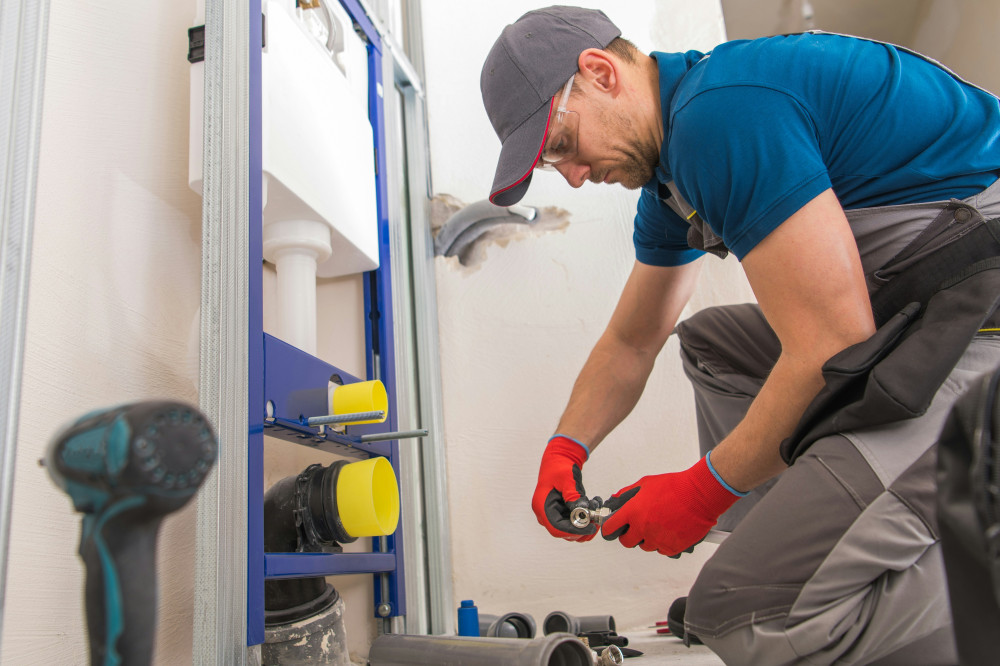
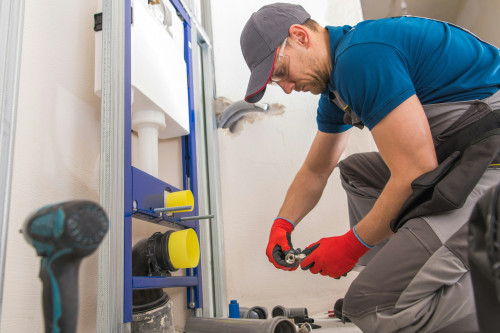
While your local utility manages public sewers, you’re responsible for the pipes on your property. A blocked or damaged line can lead to backups and expensive repairs if not caught early.
Check regularly that:
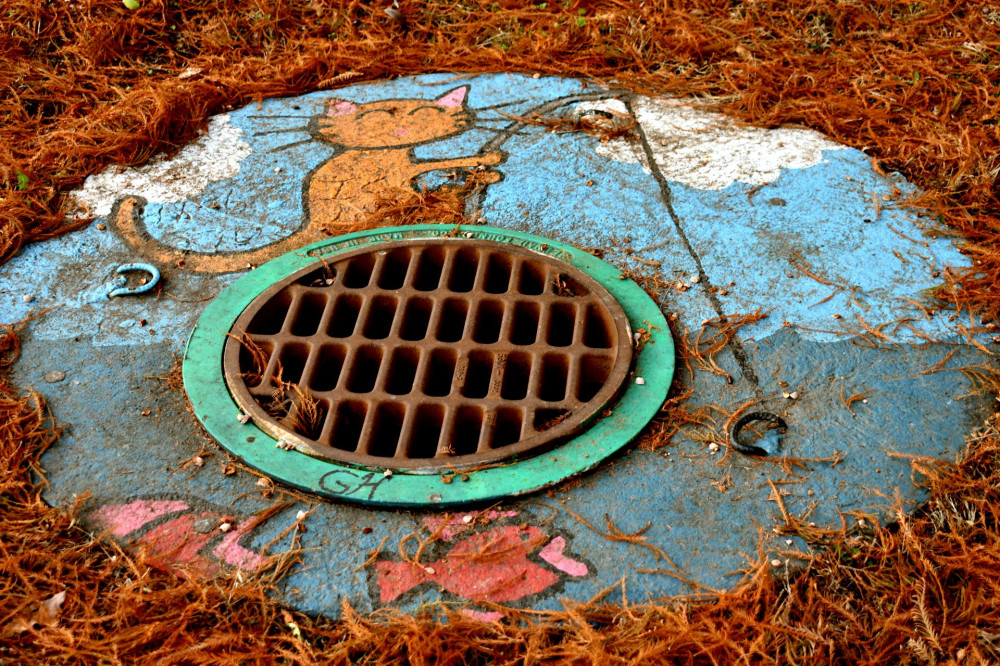
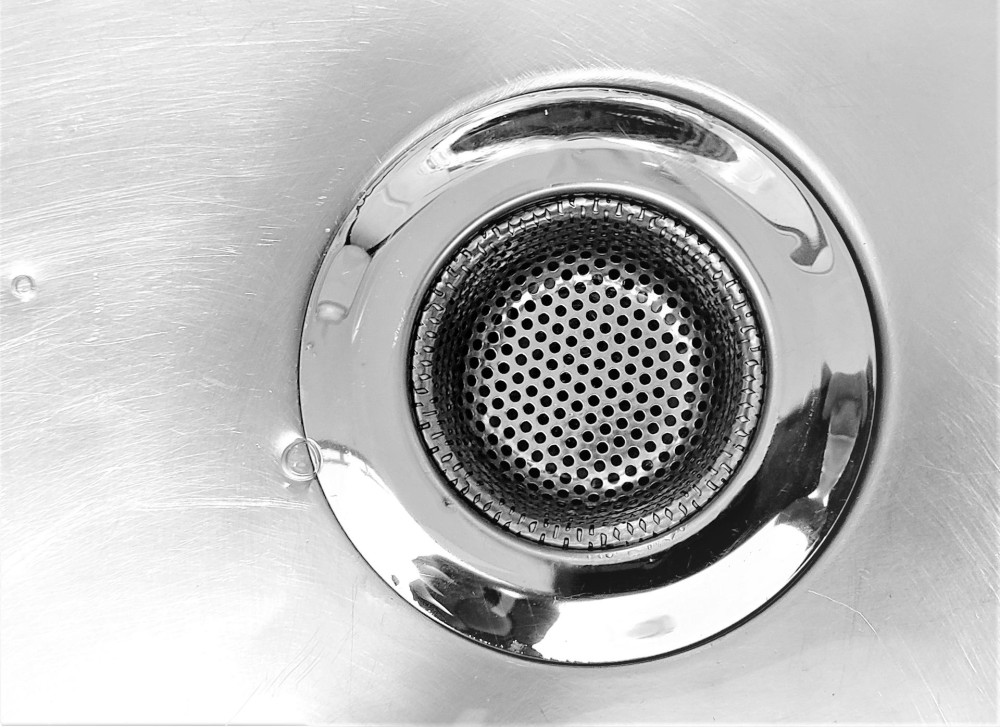
- Grates and drains are clear of leaves and debris,
- Traps contain water to prevent sewer gases from entering your home,
- There are no unpleasant odors from sinks or floor drains—these can signal developing issues.
If you live in an older home, consider having a video inspection of your sewer line every decade or so. It can reveal cracks, root intrusion, or misaligned pipes before they become serious problems.
Læs også:
Everyday Habits That Make a Difference
A healthy wastewater system isn’t just about infrastructure—it’s also about sustainable habits. The less strain we put on the system, the easier it is to treat and return clean water to nature.
You can help by:
- Choosing eco-friendly cleaning products that break down more easily,
- Avoiding harsh drain cleaners and unnecessary chemicals,
- Conserving water—take shorter showers, fix leaks, and run full loads in dishwashers and washing machines.
Small changes in daily routines can add up to big benefits for both the sewer system and the environment.
Shared Responsibility
A well-functioning wastewater system depends on cooperation between residents, utilities, and local governments. Together, we can ensure that our infrastructure is ready for future challenges like heavier rainfall and growing populations.
By taking care of your drains and being mindful of what goes down them, you’re helping protect your community, your home, and the environment. A healthy wastewater system starts at home—with the choices you make every day.
Læs også: